
The Enemy – Reacher's Origins Inside the U.S. Army
A gripping prequel set during Reacher’s time as a military cop – this one shows what made him the man he became.
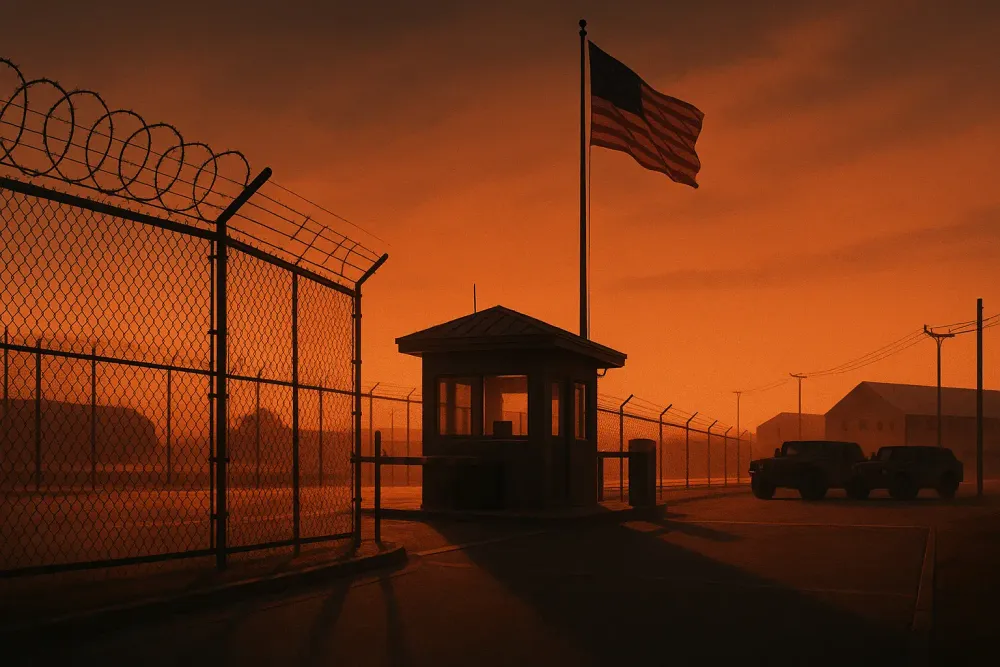
This post contains affiliate links. We may earn a commission if you make a purchase, at no extra cost to you. As an Amazon Associate, Dadnology earns from qualifying purchases.
📚 Introduction
This review is part of the Jack Reacher Book Series – explore all Reacher books in order!
The Enemy isn’t just another Jack Reacher thriller – it’s a full-scale origin story. Set years before Killing Floor, this book places Reacher in uniform, answering to superiors, navigating protocol, and doing what he does best: seeing the truth when others won’t.
Lee Child takes a bold risk here, pulling back the curtain on Reacher’s past. The result? One of the most personal, introspective, and gripping entries in the series.
AdThe Enemy (Kindle) (opens in a new tab)
Get the Kindle version of The Enemy.

🕵️ Plot & Characters
It begins on New Year’s Eve, 1989. A two-star general is found dead in a budget motel off the highway at Fort Bird, North Carolina — the kind of place known to local MPs for its unofficial clientele. His briefcase is missing. The military wants it buried – literally and figuratively. Reacher, then a major in the U.S. Army Military Police, is ordered to clean it up quietly and move on. But that’s not how he operates.
The briefcase contained sensitive planning documents — the kind that matter when a Cold War drawdown is imminent and generals are calculating who will survive the coming cuts. As Reacher pushes deeper, the investigation reveals corruption, cover-ups, and a disturbing pattern of disappearances tied to powerful figures. The deeper he digs, the more he risks – his rank, his future, even his family. The stakes are grimly ordinary by espionage standards: men protecting career trajectories, not ideologies. That makes the threat feel closer, dirtier, and more believable.
What separates The Enemy from almost every other Reacher novel is the constraint he’s operating under. He can’t go rogue. He has a rank to protect, a chain of command he’s still formally inside. The Reacher readers know — the man who operates without paperwork or apology — is still forming here. Watching him work within the system, pushing against its edges but not yet through them, gives the novel a friction that pure standalone entries don’t carry.
We see Reacher not as a lone wolf, but as a younger officer balancing rules, instincts, and responsibility. His mother’s health is declining. She’s French, living in Paris, and the phone calls between them are brief, warm, and quietly devastating — the kind of conversations where you hear more in what’s not said. His loyalty to the uniform is tested. His moral compass is already fully formed.
And then there’s the personal storyline. Reacher travels to Paris to visit his mother between investigation scenes. She is dying, and both of them know it. Child handles this with the same compression he brings to everything — no extended deathbed scenes, no theatrical grief. What lands is precisely the restraint: a few pages, a few exchanges, and then she’s gone. It’s the most emotionally mature writing Child had produced in the series to that point.
The antagonist here isn’t a single villain – it’s a system of complicity and silence. Officers who chose comfort over conscience. A military culture that rewards people who look away. And that makes the threat feel terrifyingly real, because none of it requires a mastermind — just a lot of men deciding, individually, that staying quiet is easier than being right.
🎯 Style & Atmosphere
The Enemy is paced like a military investigation – detailed, deliberate, and full of subtle clues. But make no mistake: the tension is razor-sharp. The confined settings (barracks, offices, interrogation rooms) create a sense of pressure without explosions. There’s no open countryside, no highway. The walls are literal here — desks, regulations, ranks — and they press in on every scene.
Lee Child writes with surgical precision. Every chapter ends with a new reveal, every flashback adds weight. The flashback structure – past vs. present-day commentary – adds emotional heft without slowing the plot. That structure also serves the prequel’s central argument: this is a man who already knows how the story ends, which gives every decision Reacher makes in 1989 a quiet, irrevocable weight.
The procedural texture is different here from the standalone adventures. Reacher has to work through official channels — interviewing witnesses who technically outrank him, requesting files through proper process, navigating institutional obstruction without the option of simply ignoring it. For readers accustomed to Reacher walking away from all of that, watching him navigate it is genuinely fascinating. It’s the equivalent of watching a very good chess player forced to play checkers and still finding ways to win.
The writing is emotionally restrained but impactful. There’s grief, frustration, and pride here – but filtered through Reacher’s famously calm lens. Child has always been good at conveying big feelings through small actions. A phone call that ends with “see you soon” when both parties know it won’t happen. A salute held one beat too long. None of it is underlined. All of it lands.
👨👧👦 Our Experience & Recommendation
As a dad, this book hit differently. Watching Reacher deal with the impending loss of his mother while staying mission-focused was incredibly moving. It’s a reminder that even larger-than-life characters carry real burdens — and that competence and grief are not mutually exclusive. You can be the sharpest investigator in the room and still not be ready to lose your mother.
AdThe Enemy (Audiobook) (opens in a new tab)
Get the Audiobook version of The Enemy.
The Enemy also opens conversations about duty, family, and the cost of staying silent. It’s about doing the right thing even when everyone else says “leave it alone.” Every system has that pressure — institutions, workplaces, families. The question The Enemy asks is whether you’re the person who absorbs the pressure or the one who pushes back. Reacher’s answer is consistent, but in 1989 it costs him more than it usually does. He can’t just disappear afterward. He has to stay, file the report, and face the consequences.
That’s the dimension that makes this entry genuinely distinctive: consequence. The Reacher of later books operates in a consequence-free vacuum — which is part of the appeal, honestly. But here the consequences are real, and watching him accept them while still doing exactly what he believes is right is quietly powerful.
This book doesn’t rely on brute strength. It’s about integrity, truth, and standing alone – even when you’re still technically part of the system. And if you’re raising kids you want to have backbones, this is the kind of story worth pointing them toward. Eventually. After they’re old enough for the mature themes.
Ad
The Enemy (Paperback) (opens in a new tab)
Get the Paperback version of The Enemy.
Pros
- Deep character insight into Reacher’s origin
- Tense military investigation with real-world relevance
- Emotionally resonant without being melodramatic
- Sharp writing and smart structure
- Balanced perfectly between logic, suspense, and heart
Cons
- Less physical action than typical entries
- The prequel format may not appeal to new readers
📝 Conclusion
The Enemy doesn’t just fill in backstory – it elevates the entire series. With its tight plotting, quiet emotional power, and deeper look into who Reacher really is, this is one of Lee Child’s most impressive books. It’s smart, suspenseful, and surprisingly moving.
Recommendation: Essential reading for fans of the series and one of the finest examples of a character-driven thriller done right.
🎧 Rather listen than read? Audiobooks are how busy dads actually finish books — start a free 30-day Audible trial and turn your commute into reading time.
Related Dadnology review: Persuader – One Mission, One Target, No Rules
📌 FAQ – Frequently Asked Questions
Is The Enemy suitable for teens or kids?
Do I need to read this after the other Reacher books?
How emotional is the story compared to other Reacher books?
How long is the book?
Does The Enemy need to be read in sequence, or can it be read as a standalone prequel?
Is The Enemy slower-paced than other Reacher books?
Keep this in your inbox
One email a week: what we actually watched, built and reviewed — the stuff worth a dad's time. No hype, no daily spam.
Dadnology Weekly
One email a week: the LEGO, gaming and movie news worth a dad's time — plus what we actually reviewed. No hype, no daily spam.
Disclaimer: This review and its visuals were created with the help of AI. Some links may be affiliate links – we may earn a commission if you make a purchase, at no extra cost to you.
You might also like
Without Fail – Reacher Hired to Prevent an Assassination? What Could Go Wrong?
*Without Fail* is a gripping and intelligent Reacher entry with a slower pace and big emotional payoff. The story explores duty, loyalty, and what happens when Reacher works within the system. Strong female characters and a clever premise elevate the tension, while the final act delivers both impact and heartbreak. It’s less action-heavy than other books, but deeper and more introspective. For fans of strategy and substance, this book is a clear standout in the series and one you’ll remember.

A Wanted Man – Reacher Hitchhikes Into Trouble on a Tense Cross-Country Ride
*A Wanted Man* delivers an unconventional, suspense-heavy Reacher entry that plays more like a locked-room mystery on wheels. While slower paced than some previous books, it rewards patient readers with a layered plot and strong payoffs. Reacher’s deductive mind is on full display, and the story leans into tension over pure action – a bold, well-executed shift in tone.

Neagley – Season 1: A Reacher Spin-Off That Doesn't Need Reacher
Neagley answers a question we didn't know we needed answered: can this universe work without a book to adapt? Yes. Maria Sten leads a tight, genuinely gripping case as Frances Neagley, and the show never leans on Reacher to carry it — he's a guest, not a crutch. Strong characters, a story that earns its turns, and a clear recommendation for anyone who's been following the flagship show. Rating: 4.5/5.