
LEGO as an Investment: EOL, POV and What Actually Holds Value (2026)
Most LEGO sets are not investments. But some are. This guide explains EOL, POV and which specific sets have the numbers to back it up.
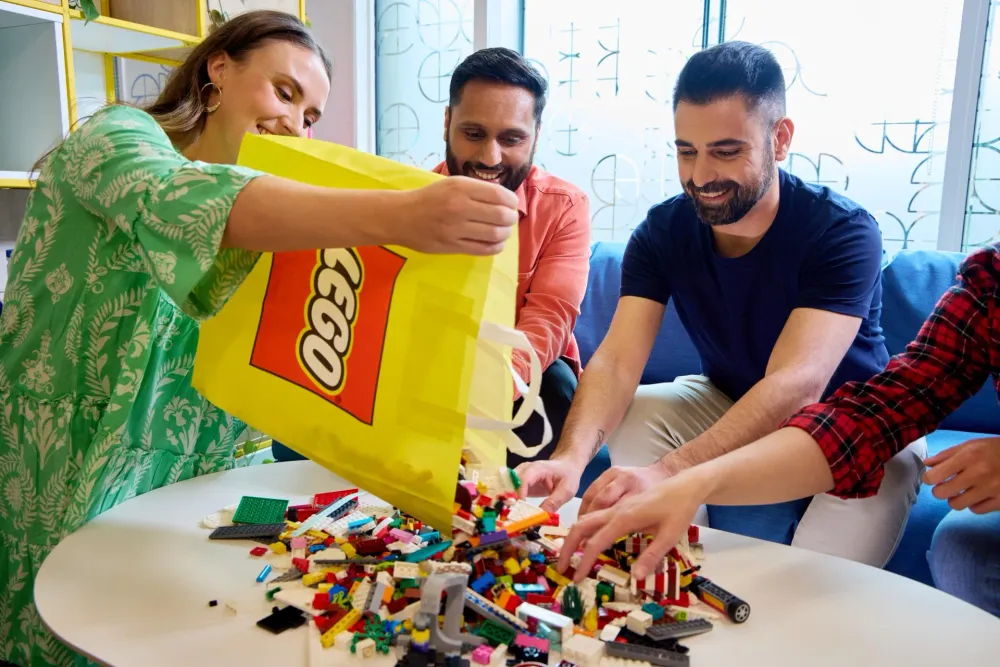
Photos used with permission. ©2026 The LEGO Group.
This post contains affiliate links. We may earn a commission if you make a purchase, at no extra cost to you. As an Amazon Associate, Dadnology earns from qualifying purchases.
💰 Introduction — A Hobby That Can Pay You Back (Occasionally)
There is a recurring conversation in LEGO dad circles that goes roughly like this: someone mentions that a sealed set they bought a few years ago is now selling for three times retail on eBay, and everyone in the room perks up. Is LEGO actually a good investment? Is there a system? Should we be storing sets in the garage?
The honest answer is: sometimes, for specific sets, under specific conditions — and most sets are not those sets.
This guide is not going to tell you to turn your hobby into a warehouse operation. It is going to explain the two concepts that actually matter when thinking about LEGO value — EOL (End of Life) and POV (Part-Out Value) — give you a clear-eyed framework for identifying sets with genuine value fundamentals, and recommend three specific sets that have the numbers to support that argument in 2026.
The overall philosophy here matches every other Dadnology review: buy what you love first. The best LEGO investment is a set you build, display with LED lighting (covered in our LED lighting guide), and keep in your collection for years — and which happens to appreciate while you are enjoying it. Speculative sealed-set hoarding is a different hobby, with different risks, and this guide is not for that.
Let us start with the concepts before the picks.
Understanding EOL: Why Retirement Creates Value
End of Life is LEGO’s internal process of retiring a set — stopping manufacturing, removing it from official channels, and allowing remaining stock to clear through retailers. It is a routine part of LEGO’s product cycle: most sets have a production window of one to three years before being replaced by new releases.
What makes EOL interesting from a value perspective is the supply-demand inversion it creates. When a set is in production, supply is essentially unlimited: LEGO can manufacture more. When a set hits EOL, the supply is fixed at whatever exists in warehouses and collector stock at that moment. If demand continues — and for popular sets it does — prices rise on the secondary market (BrickLink, eBay, Amazon third-party sellers) as buyers compete for a shrinking pool of available sets.
The average LEGO set appreciates approximately 11% annually on average in the years immediately following EOL, though this figure hides enormous variance: some sets double or triple in two years, others barely move. The sets at the high end of that variance share a set of characteristics.
The EOL appreciation signals to look for:
- Limited production window — sets produced for only one or two years tend to have lower total stock than multi-year runs
- Seasonal specificity — Christmas, Lunar New Year and other seasonal sets are bought primarily within a narrow annual window, meaning late buyers miss the retail season and pay secondary-market prices
- Licensed IP — sets tied to specific films or events have time-limited cultural relevance that sustains demand from fans who encounter the IP and retroactively want the set
- Display appeal without a direct sequel — sets that serve as standalone display pieces with no direct replacement in the LEGO catalogue hold demand longer than sets that are superseded by a newer version
Note what is not on this list: piece count, and price. Large expensive sets do not automatically appreciate more than small cheap ones. A well-positioned 500-piece set often outperforms a 3,000-piece set on a percentage basis because the pool of buyers willing to pay secondary-market prices is broader for affordable sets.
Understanding POV: The Lego Resale Equation
Part-Out Value is the concept that separates informed LEGO value assessment from gut-feel collecting. POV is calculated on BrickLink (the primary LEGO resale marketplace) by totalling the average resale prices of every individual part in a set, as if you disassembled the set and sold each part separately.
A POV ratio compares that total to the set’s retail price: a POV of 1.0x means the parts are worth exactly what you paid; a POV of 2.0x means the parts are worth twice the retail price; and a POV of 3.0x means the individual bricks are genuinely rare or in high demand.
Why POV matters for value assessment:
High POV indicates one of two things: either the set contains parts that are scarce in the LEGO ecosystem (unusual colours, mould-exclusive elements, or parts that appear in very few sets), or the set is in high enough demand that people are paying premium prices for the parts to use in their own custom builds (MOC — My Own Creation — builders). Both signals indicate that the set’s components have real market value independent of the set’s display appeal.
A set with both high POV and strong EOL signals is the ideal combination: the sealed set appreciates for collector demand, and if you eventually open it, the individual parts also hold value. The three sets in this guide meet both criteria.
The honest caveat on POV data:
POV changes over time and varies by condition and seller. The figures cited here are from current BrickLink data and represent the 6-month average sale price, not the listed price. Listed prices are meaningless — what matters is what things actually sold for. Always check current BrickLink data before making any buying decision based on POV.
1. LEGO Icons Holiday Main Street (10308) — The Winter Village Performer
The Winter Village line is the quiet powerhouse of LEGO’s seasonal range, and Holiday Main Street is its flagship. It is not a set most people buy thinking “investment” — it is bought to anchor a festive display — but the Winter Village line has one of the most consistent post-retirement appreciation records in the entire catalogue, and 10308 sits right at the centre of it.
AdLEGO Icons Holiday Main Street (10308) (opens in a new tab)
Winter Village flagship with a part-out value above 2x retail — one of the most consistent post-retirement appreciation records in the seasonal category.
What makes it hold value
The seasonal cycle is the key driver. Winter Village sets sell primarily in a six-to-eight week window each year. Once that window closes and the retail season ends, secondary-market supply contracts until the following Christmas. For buyers who miss the retail window and want the set in January or February, secondary-market prices are the only option — and that pattern repeats every single year, ratcheting demand upward as the set ages toward EOL.
Holiday Main Street also benefits from the Winter Village line’s collector dynamic: builders assemble a connected festive street year on year, so each new flagship drives demand for the previous ones to complete the scene. The set’s POV sits comfortably above 2x on current BrickLink data, supported by the warm-toned plates, lamp posts and festive elements that recur in few other sets. That part-out floor persists regardless of the set’s seasonal identity.
The display-first design also means demand comes from two distinct buyer groups: gift buyers who missed the retail season and are willing to pay secondary-market prices for an occasion-specific set, and Winter Village collectors who want the flagship year-round. That dual demand pool narrows the supply available to either group.
Where it falls short as an investment
Seasonal sets depreciate in the immediate post-holiday period before their EOL is reached. If you buy at peak pre-Christmas secondary-market prices and immediately need to sell, you may take a loss. The investment thesis here is medium-term: buy at retail, hold through to EOL, and allow secondary prices to establish afterward. This is a patient play, not a quick flip. It is also a premium-priced flagship, so the absolute outlay is higher than a small seasonal set — size your position accordingly.
Who should buy it
Dads who are buying Holiday Main Street to build and display as the centrepiece of a Winter Village — and who would not mind at all if the sealed spare they had the foresight to buy is worth well over twice retail in a few years. Also: anyone who missed the retail window and wants the set now, knowing that secondary-market prices are justified by genuine, repeating seasonal demand.
2. LEGO Lunar New Year Lucky Firecracker (80118) — Cultural Scarcity at Its Best
The Lucky Firecracker set is the strongest POV performer in this guide at approximately 3.0x retail, and the reasons for it illustrate the investment fundamentals better than any other example.
AdLEGO Lunar New Year Lucky Firecracker (80118) (opens in a new tab)
Limited seasonal set with a part-out value approaching 3x retail — cultural specificity drives sustained demand after retirement.
What makes it hold value
The Lunar New Year line is the textbook example of LEGO’s cultural-occasion sets done right. Each set is: seasonal (tied to a specific annual event), limited in retail window (six to eight weeks), culturally specific (strong demand from collectors within Chinese communities globally), and non-replaceable by a direct sequel (each year’s set is distinct). The combination creates structurally constrained supply and sustained, globally distributed demand.
The Lucky Firecracker specifically benefits from a design that translates well across its target audience: the colourwork is bold and the build includes culturally meaningful elements that collectors cite as display-motivating. It is a set people want to look at, which drives secondary demand beyond the functional. The part-out value reflects a similar dynamic to the Christmas Tree: specific colour combinations in the red, gold and silver palette that appear rarely in LEGO’s broader catalogue.
A 3.0x POV is genuinely strong territory. At that ratio, the set’s individual parts have more resale value as separate pieces than most complete sets have as sets. That level of structural value is rare and typically signals either extreme rarity or a part catalogue that serves a large and active MOC builder community.
Where it falls short as an investment
The same timing caveat applies as with the Christmas Tree: buy at retail, not at peak secondary-market prices in the weeks before Lunar New Year. If the retail window has closed and secondary prices have spiked, the investment thesis requires a longer hold than most dads want to commit to storage space for.
There is also a concentration risk in cultural-occasion sets: a change in LEGO’s product strategy or a decision to phase out the Lunar New Year line entirely would affect the ongoing demand signal that makes these sets strong performers. That risk is theoretical for now, but worth noting.
Who should buy it
Anyone who finds the set at retail price before or during the Lunar New Year retail window. At retail, a 3.0x POV provides a meaningful margin of safety even accounting for the uncertainty in long-term value. At secondary-market prices, the margin shrinks and the thesis weakens — buy at retail only.
3. LEGO Wicked Emerald City Wall Art (75685) — Licensed IP Meeting Display Demand
The Wicked Emerald City Wall Art represents a different investment category from the seasonal sets: a licensed IP set tied to the Wicked film franchise, designed as a decorative wall piece rather than a buildable model, with crossover appeal between LEGO Art collectors and Wicked fans.
AdLEGO Wicked Emerald City Wall Art (75685) (opens in a new tab)
Licensed art set tied to the Wicked film franchise — POV around 2.6x retail, with strong crossover collector demand.
What makes it hold value
Licensed LEGO sets tied to specific cultural moments have a built-in time window: the period during and immediately after the associated film or event when demand peaks, followed by a long tail of retroactive buyers who encounter the IP later and want the set. For Wicked, that dynamic is particularly strong because the film franchise has a fanbase that predates the LEGO set by decades — Wicked as a stage musical has been running since 2003, meaning the demand pool extends well beyond film-release timing.
The POV of approximately 2.6x retail reflects two things: the distinctive emerald green and jewel-toned colour palette used in the set (elements in these specific shades are not common in the LEGO catalogue), and the LEGO Art format itself. LEGO Art wall panels have a collector community with specific demands for particular sets, and a completed panel in the Wicked design commands premium secondary prices from collectors who want wall art rather than a buildable display model.
The wall art format also has a scarcity dynamic: once hung, most buyers keep the panel displayed and out of circulation, which reduces secondary-market supply more than equivalent display models that sit on shelves.
Where it falls short as an investment
Licensed LEGO Art depends on the underlying IP remaining culturally relevant. Sets tied to IPs that fade from cultural memory after the initial release tend to plateau in value rather than appreciate. The Wicked franchise has exceptional longevity by musical-theatre standards, but the long-term demand signal is less predictable than for evergreen IPs like Star Wars or Harry Potter. Plan for medium-term holds (three to five years) rather than decade-long appreciation.
Who should buy it
Dads who genuinely like the Wicked musical or the film — and who want a LEGO Art piece that serves as both decor and a mild investment hedge. The LED lighting treatment for wall art covered in our LED lighting guide specifically suits the Emerald City colour palette, where indirect perimeter lighting makes the jewel tones glow. Buy it because you want it on your wall, and note that the wall art market tends to keep it there.
How They Compare: The Value Fundamentals
| Feature | Holiday Main Street (10308) | Lucky Firecracker (80118) | Wicked Wall Art (75685) |
|---|---|---|---|
| Current POV Ratio | ~2.5x retail | ~3.0x retail | ~2.6x retail |
| Value Driver | Seasonal scarcity | Cultural + seasonal scarcity | Licensed IP + display format |
| Retail Window | Pre-Christmas (6-8 weeks) | Pre-Lunar New Year (6-8 weeks) | Film release window + ongoing |
| EOL Risk Level | Low (seasonal rotation) | Low (annual series) | Medium (IP-dependent) |
| Hold Period | 2-4 years post-EOL | 2-4 years post-EOL | 3-5 years post-EOL |
| Build/Display Appeal | Winter Village display | Cultural display | Wall art / gift |
| Investment Confidence | High (at retail) | Very High (at retail) | Medium-High (at retail) |
| Verdict | Best Winter Village pick | Strongest POV set | Best for art collectors |
All three picks share the same critical qualifier: the investment thesis holds at retail price, not at secondary-market prices. If a set is already trading at 1.5x retail on the secondary market, the margin of safety has shrunk significantly. Patience — waiting for retail availability — is the most important discipline in LEGO value collecting.
How to Think About LEGO Value: A Decision Framework
If you want to buy LEGO as an investment, only buy at retail price, only buy sets with demonstrable POV above 2.0x, and only from categories with proven EOL appreciation: seasonal, licensed limited-run, and UCS (Ultimate Collector Series). Plan for a minimum two-year hold after EOL before evaluating. For UCS Star Wars picks specifically, the LEGO Star Wars hub tracks which UCS sets are approaching retirement.
If you want to buy LEGO you will build and also hold some investment value, buy one copy to build and one sealed. The built copy is your enjoyment; the sealed copy is your hedge. This is the approach that makes the most sense for expensive display sets — one Rivendell to build, one to store — and it requires a proper storage system that keeps the sealed box in good condition.
If you are tempted to buy a set purely because someone online said it was a good investment, do not. The post has already been indexed by Google, the claim has already been seen by thousands of buyers, and the demand signal has already been priced in. By the time LEGO investment advice goes mainstream, the profit window is typically already closed.
If you are wondering whether large Icons sets like Rivendell or the Eiffel Tower are investments, the honest answer is: they are reasonable stores of value but not strong investment plays. Large sets have high retail prices that price out a significant proportion of potential secondary buyers, narrowing demand. They also depreciate initially because early buyers often sell at a loss to recover capital. The appreciation over years is real but slow.
AdLEGO Lunar New Year Lucky Firecracker (80118) (opens in a new tab)
Limited seasonal set with a part-out value approaching 3x retail — cultural specificity drives sustained demand after retirement.
The best LEGO investment outcome is one you would be happy with regardless of value: a set you love, built and displayed properly, which happens to be worth more in five years than you paid for it. That is the difference between collecting and warehousing, and it is why the philosophy of “buy what you love first” is not a cop-out — it is the strategy that keeps the hobby enjoyable even in years when the secondary market does not co-operate.
Common Mistakes to Avoid
Buying at secondary-market prices and expecting further appreciation. The person selling to you already captured the appreciation. You are now the one who needs it to continue.
Ignoring the holding cost. A sealed LEGO set in a dry wardrobe is taking up physical space you could be using for something else. That space has a cost (even if it is just opportunity cost). Factor it in before declaring an investment “profitable.”
Buying sets you don’t understand. The Lunar New Year sets appreciate because of a specific cultural dynamic that drives demand. If you don’t understand that dynamic, you cannot assess whether it continues to apply. Invest in categories you follow and understand.
Treating every large or expensive set as a future collectible. The Millennium Falcon UCS has appreciated enormously. The 3,000-piece Technic bulldozer from three years ago has not. Price is not a proxy for collectibility.
Neglecting condition. A sealed LEGO set that has been stored in a damp environment, dropped, or exposed to direct sunlight for years has lost value regardless of its EOL status. Condition is the single most important variable in secondary-market pricing. Store sealed sets in a dry, dark, temperature-stable location.
Pros
- Seasonal and limited licensed sets have genuine, demonstrable value fundamentals supported by POV data
- EOL appreciation for high-POV sets is consistent and well-documented in the collector community
- Buying sets you love to build also means the sealed copy is a hedge rather than a gamble
- LEGO parts retain value independently of the set through BrickLink POV, providing a floor on downside
- Strong collector community infrastructure (BrickLink, Brickset) makes research and price verification straightforward
Cons
- The majority of LEGO sets are not meaningful investments — the exceptions are specific and require research to identify
- Investment thesis requires retail pricing — secondary-market buys significantly erode the margin
- Sealed-set storage has a real cost in space and condition management that most investment theses ignore
- POV data changes over time as part rarity evolves, requiring periodic reassessment of holdings
- Licensed IP sets carry inherent IP-relevance risk that is impossible to fully predict
Conclusion: Love First, Value Second
After going through the data and the frameworks, the honest summary is this: LEGO can be a meaningful store of value, but only for specific sets bought at the right time and held with patience. For most dads, the right approach is to buy what they love, build it, display it well, and note with satisfaction that the market agrees with their taste a few years later.
The three sets in this guide — the Christmas Tree, the Lucky Firecracker, and the Wicked Wall Art — are picks where the data supports a genuine value argument in 2026. Buy them because you want them. Keep one sealed. Be pleasantly unsurprised in three years.
The Final Word: Buy what you love. Know the numbers. The best LEGO investment is the one you would make even if the secondary market did not exist.
Related Dadnology guides: Best LEGO Botanicals (2026 Buyer’s Guide)
📌 FAQ — LEGO Investment and Value
What does EOL mean for LEGO sets?
What is Part-Out Value (POV) and why does it matter?
Are most LEGO sets good investments?
How do I find out if a LEGO set is approaching EOL?
Should I buy LEGO sealed or open and display it?
Do UCS Star Wars sets hold value?
Keep this in your inbox
One email a week: what we actually watched, built and reviewed — the stuff worth a dad's time. No hype, no daily spam.
Dadnology Weekly
One email a week: the LEGO, gaming and movie news worth a dad's time — plus what we actually reviewed. No hype, no daily spam.
Disclaimer: This review and its visuals were created with the help of AI. Some links may be affiliate links – we may earn a commission if you make a purchase, at no extra cost to you.
You might also like
New LEGO Sets September 2026: The Best Picks for Dads and Kids
September 2026's LEGO wave in one guide: a brand-new haunted subtheme, a transforming Batmobile, the biggest Harry Potter set yet, and honest picks for every budget.
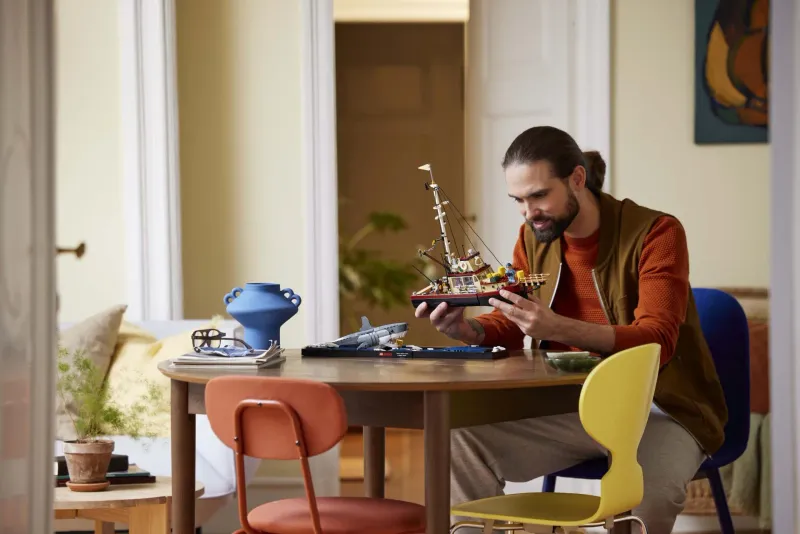
Best LEGO Batmobile: All 5 Sets Ranked and Compared
We built four of the five LEGO Batmobiles. Which to buy at every budget, the best value per piece, and the one that just quietly retired.
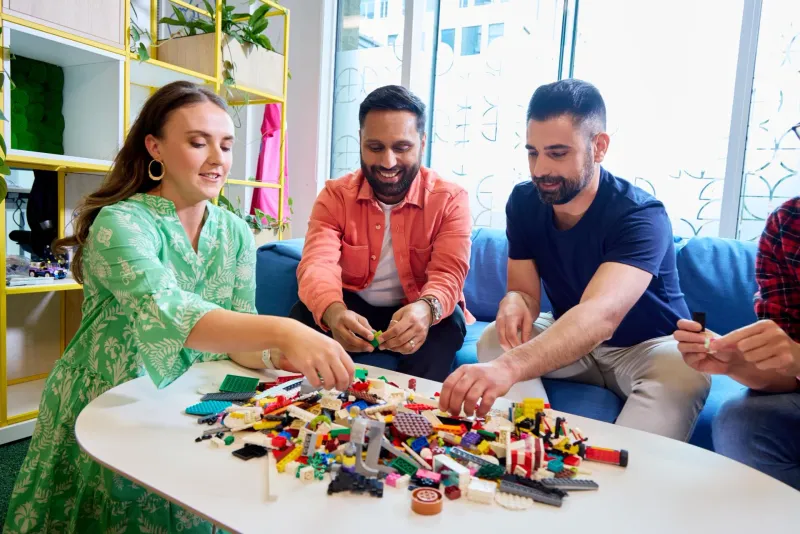
LEGO Zelda: Link & Epona Revealed, 1,750 Pieces
Nintendo's 40th Anniversary Zelda Direct revealed a third LEGO Zelda set: a brick-built Link riding Epona from Ocarina of Time, 1,750 pieces, spring 2027.