
The Day After Tomorrow: Why Roland Emmerich’s ice age epic is still the king of climate cinema
A review of the 2004 classic The Day After Tomorrow. Why this chilling vision of a new ice age remains a 5/5 disaster masterpiece.
This post contains affiliate links. We may earn a commission if you make a purchase, at no extra cost to you. As an Amazon Associate, Dadnology earns from qualifying purchases.
🌪️ This review is part of the Top 30 Natural Disaster Movies – see where every disaster movie lands in our definitive ranking.
If Armageddon is about fire and 2012 is about the Earth falling apart, The Day After Tomorrow is about the terrifying silence of the ice. Released in 2004, it was the film that moved Roland Emmerich from “Independence Day” territory into a more atmospheric, haunting style of disaster cinema.
At Dadnology, we rate this as a 5/5 for one simple reason: Jack Hall. He is the ultimate “I told you so” dad, but more importantly, he is the father who will walk from Washington D.C. to New York City in a blizzard just to fulfill a promise to his son.
1. The visual masterclass: Beauty in destruction
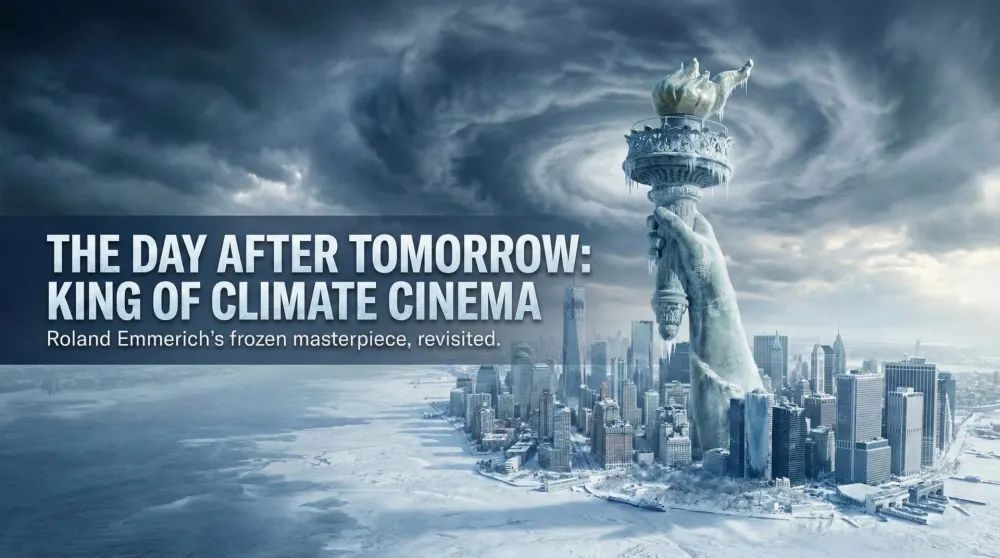
There is an eerie beauty to The Day After Tomorrow that you don’t find in many other disaster films. When the storm surges hit Manhattan and the iconic statue of Liberty is buried in snow, it creates a visual language that has been imitated dozens of times but never topped.
The sequence where the super-storm “eye” passes over and freezes everything instantly—turning liquid to solid in seconds—is a masterpiece of tension. It’s not just about things blowing up; it’s about the environment becoming an inescapable predator. For the tech-heads, the color palette of this film (deep blues, stark whites, and grey shadows) is a perfect test for your TV’s color accuracy and black levels.
2. The father-son mission: The hall family legacy
The movie works because it splits its focus. While Sam (Jake Gyllenhaal) is stuck in the New York Public Library trying to survive the rising water and the freezing cold, his father Jack (Dennis Quaid) is on a suicide mission to get to him.
This is the “Dad Narrative” at its most primal. Jack knows he probably won’t survive the trek. He knows he can’t stop the ice age. But he promised Sam he would come for him, and in the world of Dadnology, a promise is a contract written in stone. The chemistry between Quaid and Gyllenhaal—even though they spend most of the movie apart—is the emotional glue that makes the final reunion one of the most satisfying moments in the genre.
| Character | Role | The 'Dad' Rating |
|---|---|---|
| Jack Hall | Paleoclimatologist / Hero Dad | 10/10 - Walks 200+ miles in a blizzard for his kid. |
| Sam Hall | The Brilliant Son | 9/10 - Uses his brain to survive (and burns tax law books to stay warm). |
| Professor Terry Rapson | The Mentor | 8/10 - Ian Holm brings the class and the tears in his final scene. |
| Jason Evans | The Loyal Friend | 7/10 - Stays with Jack through the impossible. |
3. The atmosphere of peril: The “eye of the storm”
What Emmerich gets right here is the atmosphere. The sound design of the wind whistling through the abandoned corridors of the library or the creaking of the frozen Russian freighter floating down a New York street is incredibly immersive.
We don’t need the science to be 100% accurate (because, let’s face it, an ice age doesn’t happen in three days) to feel the weight of the situation. The “Rule of Cool” is in full effect here, especially when the wolves escape from the zoo and stalk the characters through a frozen ship. It adds a layer of survival horror to the disaster epic that keeps the energy high even when the world outside has stopped moving.
4. Why your sound system needs this movie
If you have a high-end soundbar or a full Atmos setup, the “Tornadoes in LA” scene and the “Manhattan Surge” are your new demo tracks.
- The Low End: The roar of the water as it pours into the subway tunnels will make your subwoofers rumble with terrifying precision.
- The High End: The sound of the “flash freeze”—that crystalline, cracking sound of everything turning to ice—is a high-frequency workout that shows off the detail of your speakers.
5. Survival and sacrifice: The ultimate family lesson
Watching The Day After Tomorrow with your kids is a great experience. Beyond the cool effects, it sparks conversations about the environment, survival skills, and why it’s important to listen to the experts (and your parents!).
It’s a movie that celebrates intelligence. Sam survives because he’s smart, and Jack succeeds because he’s prepared. For a dad, that’s a great message to send: being a hero isn’t just about big muscles; it’s about knowledge, preparation, and never giving up on the people you love.
6. The Emmerich spectacle, refined
Roland Emmerich is the undisputed king of the “destroy famous landmarks” disaster film — he blew up the White House in Independence Day, cracked the planet open in 2012, and dropped the Moon on us in Moonfall. But The Day After Tomorrow might be his most controlled and atmospheric work. Where his other films lean into bombastic, almost gleeful destruction, this one finds genuine eeriness in stillness: a frozen Manhattan, a Russian freighter drifting silently down a flooded avenue, the terrifying quiet of the storm’s eye flash-freezing everything it touches.
That tonal restraint is what elevates it above the typical Emmerich romp. The destruction here is hauntingly beautiful rather than just loud — the buried Statue of Liberty became one of the most iconic images in disaster cinema for a reason. Emmerich also keeps the human story unusually tight: instead of a dozen scattered subplots, the film narrows to one father’s impossible walk to one son. It’s the rare blockbuster that’s as interested in atmosphere and dread as it is in spectacle, and it’s aged into arguably his most rewatchable film.
7. Climate anxiety, made cinematic
Long before climate change dominated headlines and inspired films like Don’t Look Up, The Day After Tomorrow turned it into a heart-pounding popcorn epic. Is the science accurate? Absolutely not — the disruption of the North Atlantic Current is a real concern, but the film accelerates it roughly a hundredfold for drama, freezing the Northern Hemisphere in days rather than decades. Climatologists understandably winced.
But here’s the thing: the film was never meant to be a documentary, and its emotional message landed in a way dry data never could. For a generation of viewers, this was the movie that first made the abstract idea of climate catastrophe feel viscerally real. As a conversation-starter to watch with older kids — about the environment, about heeding expert warnings, about preparation — it remains genuinely useful. It wraps a serious idea inside a thrilling survival adventure, and that combination is exactly why it endures as the king of climate-disaster cinema two decades on.
Pros
- Hauntingly beautiful, iconic destruction imagery
- A tight, emotional father-son survival core
- Reference-grade atmospheric sound design
- Roland Emmerich at his most controlled and eerie
- A genuine, conversation-sparking climate message
Cons
- The accelerated 'ice age in days' science is pure fiction
- The escaped-wolves subplot is a contrived detour
- Some secondary characters are thinly sketched
The final verdict
The Day After Tomorrow is a 5/5 masterpiece that captures the terrifying beauty of nature’s reset button. It is Roland Emmerich at his most atmospheric, blending a massive global disaster with an intimate, heart-wrenching story of a father’s love. It’s cold, it’s beautiful, and it’s a non-negotiable part of our Top 3.
Who is it for? This is one of the most broadly appealing disaster films ever made — equal parts spectacle, survival thriller, and family drama, with just enough real-world resonance to give it weight. If you’ve got older kids (10+), it’s a fantastic family watch that pairs popcorn thrills with genuine talking points about the environment and self-reliance. For the home-theater crowd, the flash-freeze and storm-surge sequences are demo-disc material that test both your subwoofer and your tweeters. And for any dad, Jack Hall’s 200-mile walk through a blizzard to keep a promise to his son is the kind of primal, no-questions-asked love that hits home. Cold, gorgeous, and emotionally warm where it counts — a genuine modern classic.
📺 Movie night sorted: thousands of films and shows are streaming on Prime Video — free for 30 days. Worth a look before you buy the disc.
Is The Day After Tomorrow scientifically possible?
Is this movie appropriate for 10-year-olds?
Where was The Day After Tomorrow filmed?
Is there a sequel to The Day After Tomorrow?
Why did they burn books in the library?
Is the Statue of Liberty scene real?
Keep this in your inbox
One email a week: what we actually watched, built and reviewed — the stuff worth a dad's time. No hype, no daily spam.
Dadnology Weekly
One email a week: the LEGO, gaming and movie news worth a dad's time — plus what we actually reviewed. No hype, no daily spam.
Disclaimer: This review and its visuals were created with the help of AI. Some links may be affiliate links – we may earn a commission if you make a purchase, at no extra cost to you.
Current deals in Movies & TV
Verified live discounts tracked on Amazon
![The Legend of Korra — The Complete Series [Blu-ray]](https://m.media-amazon.com/images/I/51+1TXyb7aL._SL500_.jpg)
Movies & TV · Tested by Dadnology
The Legend of Korra — The Complete Series [Blu-ray]
4.5/5“A new Avatar, a modern city, a masked revolution”Read our review
Movies & TV · Tested by Dadnology
Zack Snyder's Justice League (4K Ultra HD)
4/5“Four hours. One vision. This is the film.”Read our review
Movies & TV · Tested by Dadnology
Space Jam (4K Ultra HD + Digital)
4/5“It's gonna be a whole new ball game”Read our reviewYou might also like
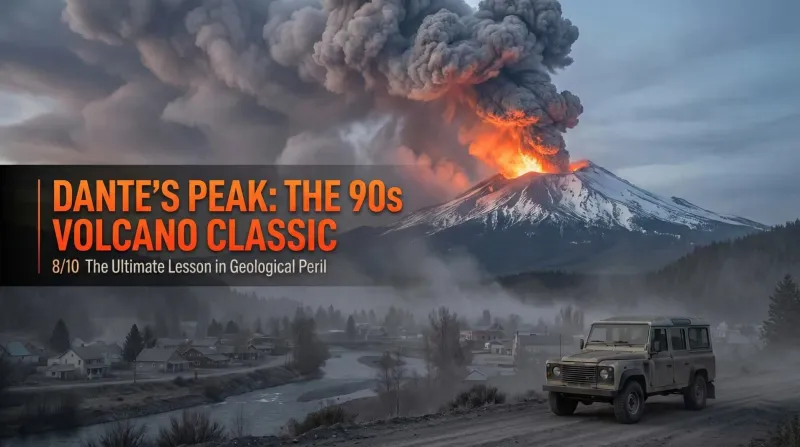
Dante’s Peak: Why this 90s volcano classic is the ultimate lesson in geological peril
Dante’s Peak is a 4/5 blast of nostalgia and heat. It perfectly captures the 'slow-burn' dread of a natural disaster before exploding into a chaotic, ash-drenched escape. With Pierce Brosnan bringing peak charisma and some of the best practical miniature work of the decade, it remains the king of the volcano sub-genre.
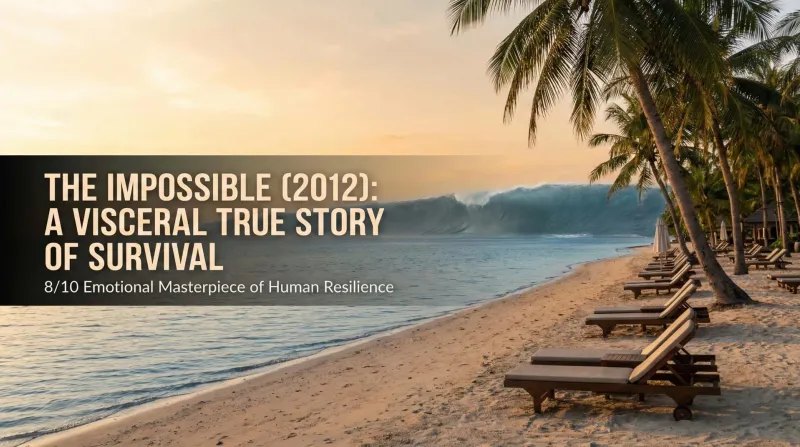
The Impossible: Why this heartbreaking true story is the gold standard for tsunami cinema
The Impossible is a 4/5 emotional juggernaut. It features one of the most terrifyingly realistic disaster sequences ever filmed, followed by a deeply moving exploration of human resilience. With incredible performances and a focus on the 'impossible' odds of survival, it is a mandatory, albeit difficult, watch.
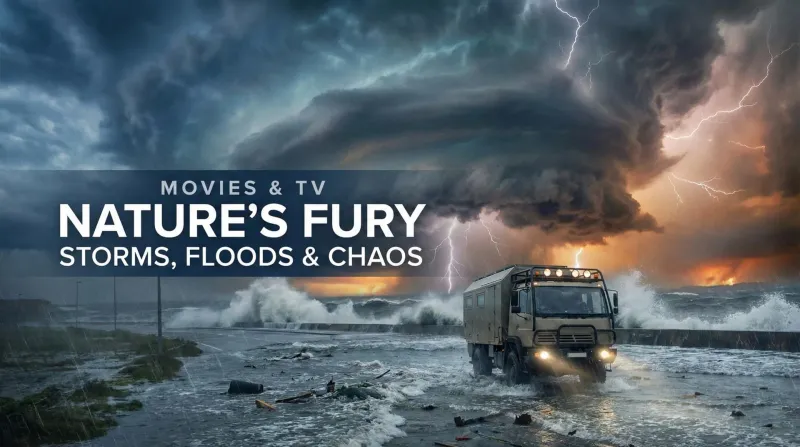
Nature’s Fury: The ultimate guide to storms, floods, and climate disaster movies
A high-octane 4.5/5 category. Nature's Fury movies are the bread and butter of the disaster genre. They offer the best visual and auditory experiences for home theaters—think 360-degree wind effects and room-shaking thunder. If you want a movie that makes you grab a blanket and check the windows, this is the collection for you.