
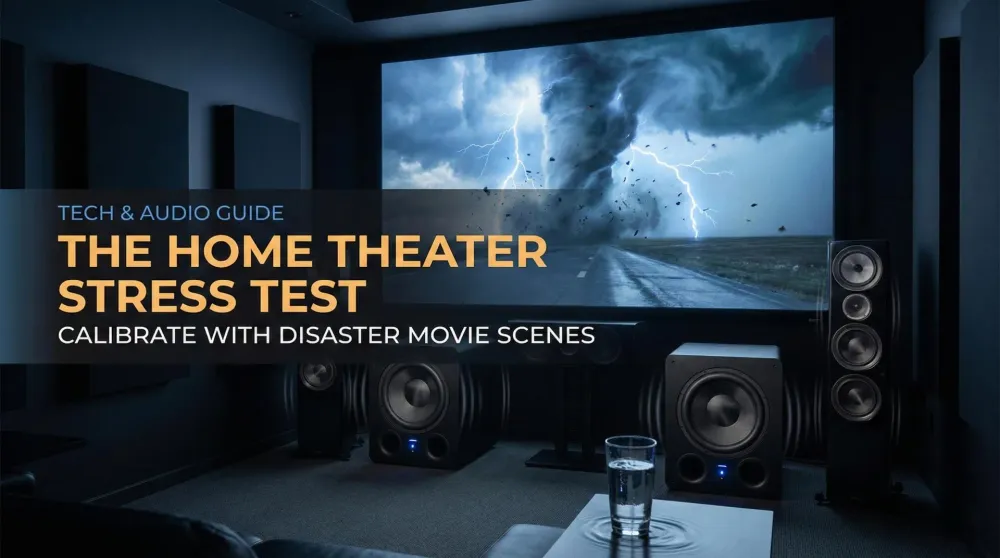
The home theater stress test: 5 disaster movie scenes to calibrate your setup
Calibrate your subwoofer and Atmos speakers with these precise timestamps from the best disaster movies. Exact 4K discs for testing inside.
This post contains affiliate links. We may earn a commission if you make a purchase, at no extra cost to you. As an Amazon Associate, Dadnology earns from qualifying purchases.
The Disaster Masterlist: This guide is part of our comprehensive look at the genre. Explore the Top 30 Natural Disaster Movies Ranking or see the best of the best in our Top 10 Elite Hub.
🔊 Why disaster movies are hardware benchmarks
Disaster movies are the “Formula 1” of sound design. They utilize the full frequency spectrum, from the sub-20Hz LFE (Low-Frequency Effects) of a tectonic shift to the high-frequency “zip” of debris flying over your head in a tornado.
To get the most out of this guide, we recommend using the 4K Ultra HD Blu-ray versions of these films. Streaming services often compress the audio, which “crushes” the dynamic range you need for a true calibration test.
Series content
Explore all articles, reviews, and guides in this series.
🎯 The 5 best calibration scenes
| Movie | The Test | Specific Frequency Focus | Timestamp |
|---|---|---|---|
| San Andreas | Subwoofer LFE | Sub-20Hz Sustained Rumble | 00:14:20 |
| Twisters (2024) | Atmos Spatial | High-Velocity Panning | 01:22:45 |
| Deepwater Horizon | Dynamic Range | Transient 'Shock' Waves | 00:51:10 |
| Into the Storm | Height Channels | Vertical Vortex Imaging | 01:05:30 |
| Moonfall | Mid-Bass Slam | Engine & Water Integration | 00:48:15 |
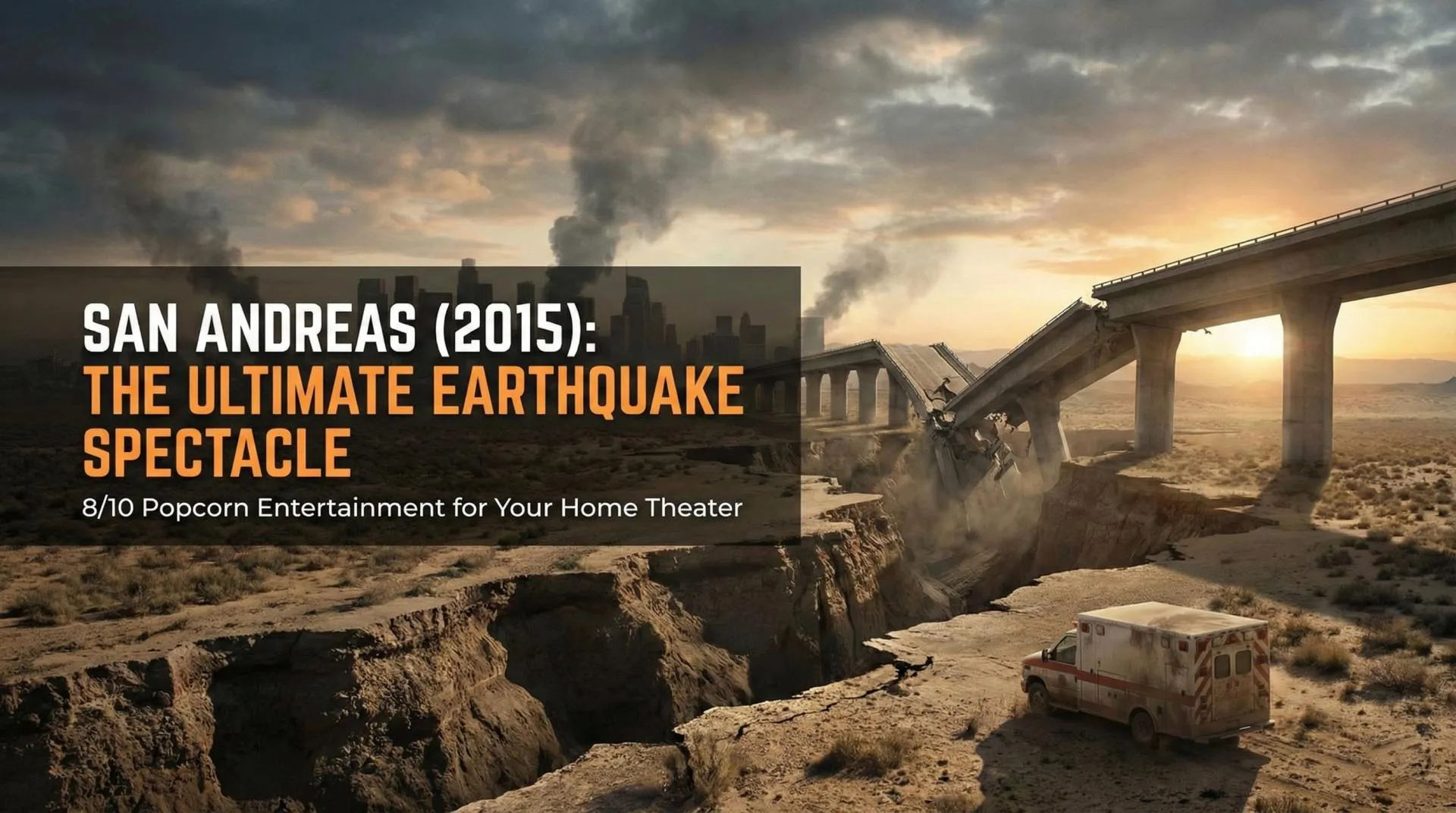
1. The subwoofer “bottom-out” test: San Andreas
Film Category: Tectonic Terror The Scene: The Hoover Dam Collapse. Timestamp: 00:14:20 – 00:17:10
As the dam crumbles, the audio track utilizes a sustained, ultra-low frequency sweep. This isn’t just “loud” bass; it’s a test of your sub’s ability to move air without “chuffing” (port noise).
- Dad Tip: If your floor isn’t vibrating but you hear a “huffing” sound, your subwoofer is struggling. This scene is exactly why I consider the San Andreas [4K Ultra HD] a mandatory calibration tool.
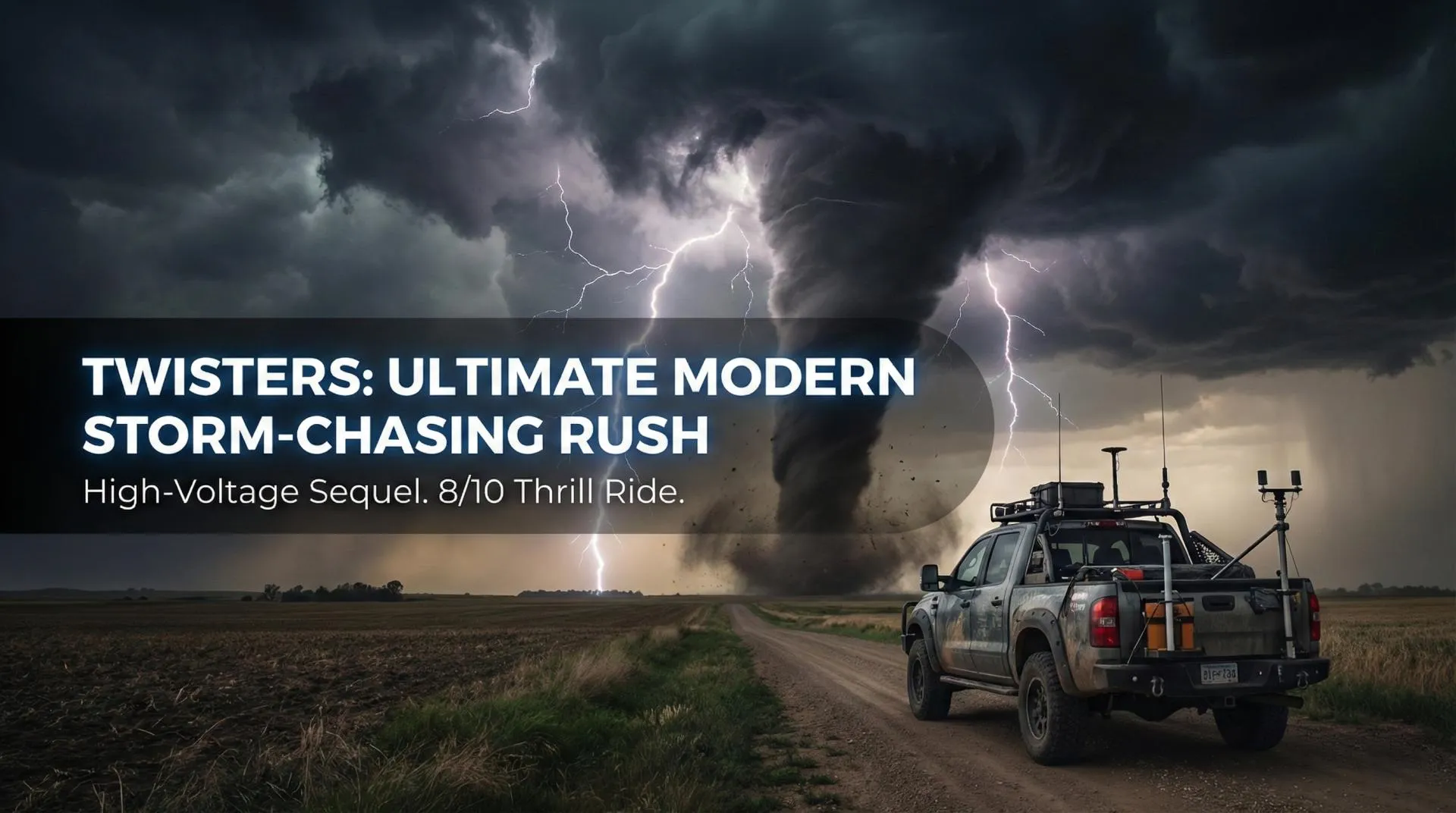
2. The Atmos spatial accuracy test: Twisters (2024)
Film Category: Nature’s Fury The Scene: The Motel / Pool Intercept. Timestamp: 01:22:45
The new gold standard for Spatial Audio. As the tornado rips through the building, listen for the debris circling over your head.
- Dad Tip: You should be able to track the wind moving front-to-back. To hear the object-tracking without compression, you need the uncompressed audio on the Twisters (2024) [4K Ultra HD].
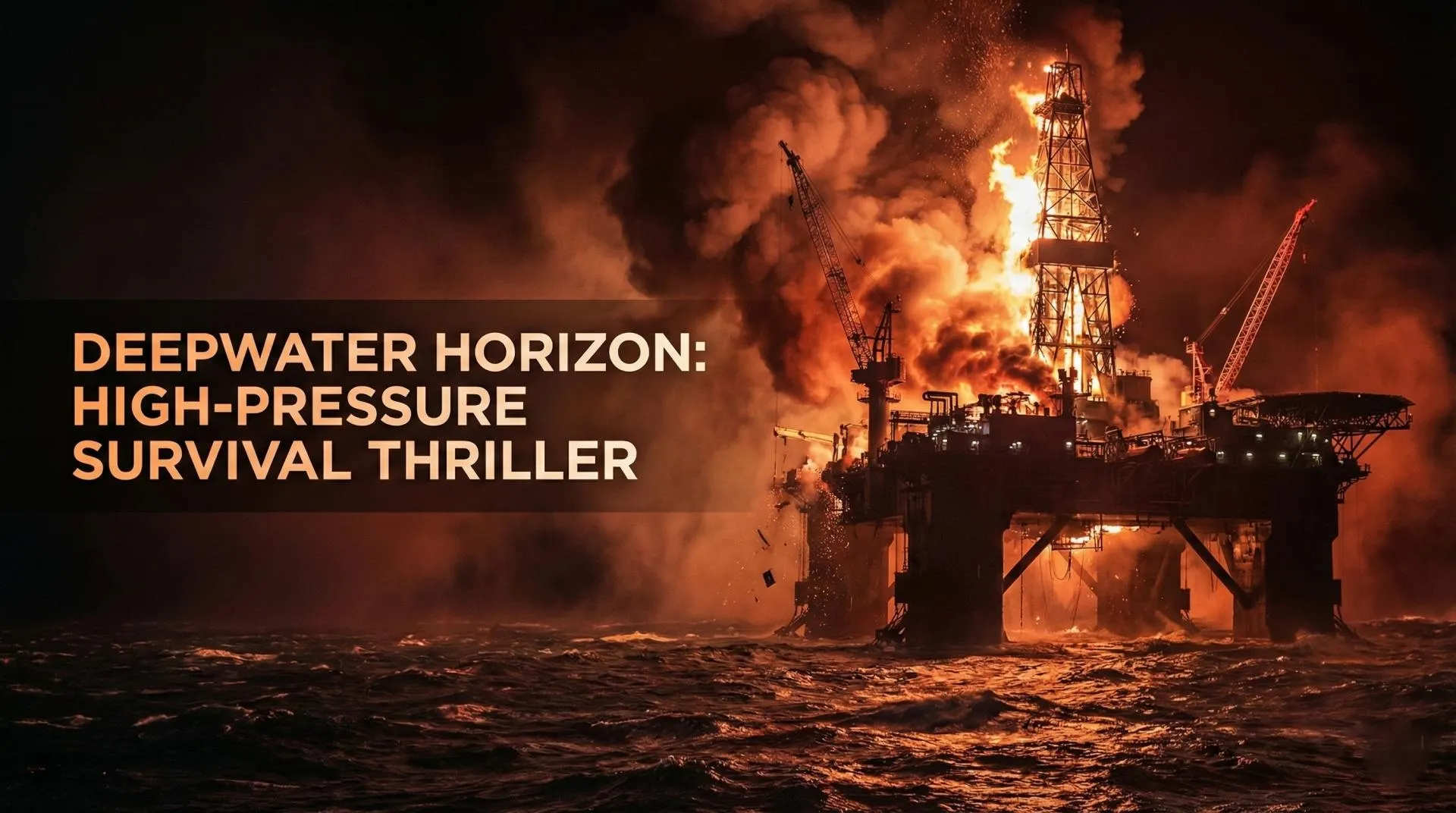
3. The dynamic range “shock” test: Deepwater Horizon
Film Category: Survival Legends The Scene: The Initial Methane Blowout. Timestamp: 00:51:10
This scene tests Transient Response. It goes from rhythmic mechanical sounds to a massive, instantaneous explosion.
- Dad Tip: This is a test for your amplifier’s “headroom.” Experience the full shockwave with the Deepwater Horizon [4K Ultra HD].
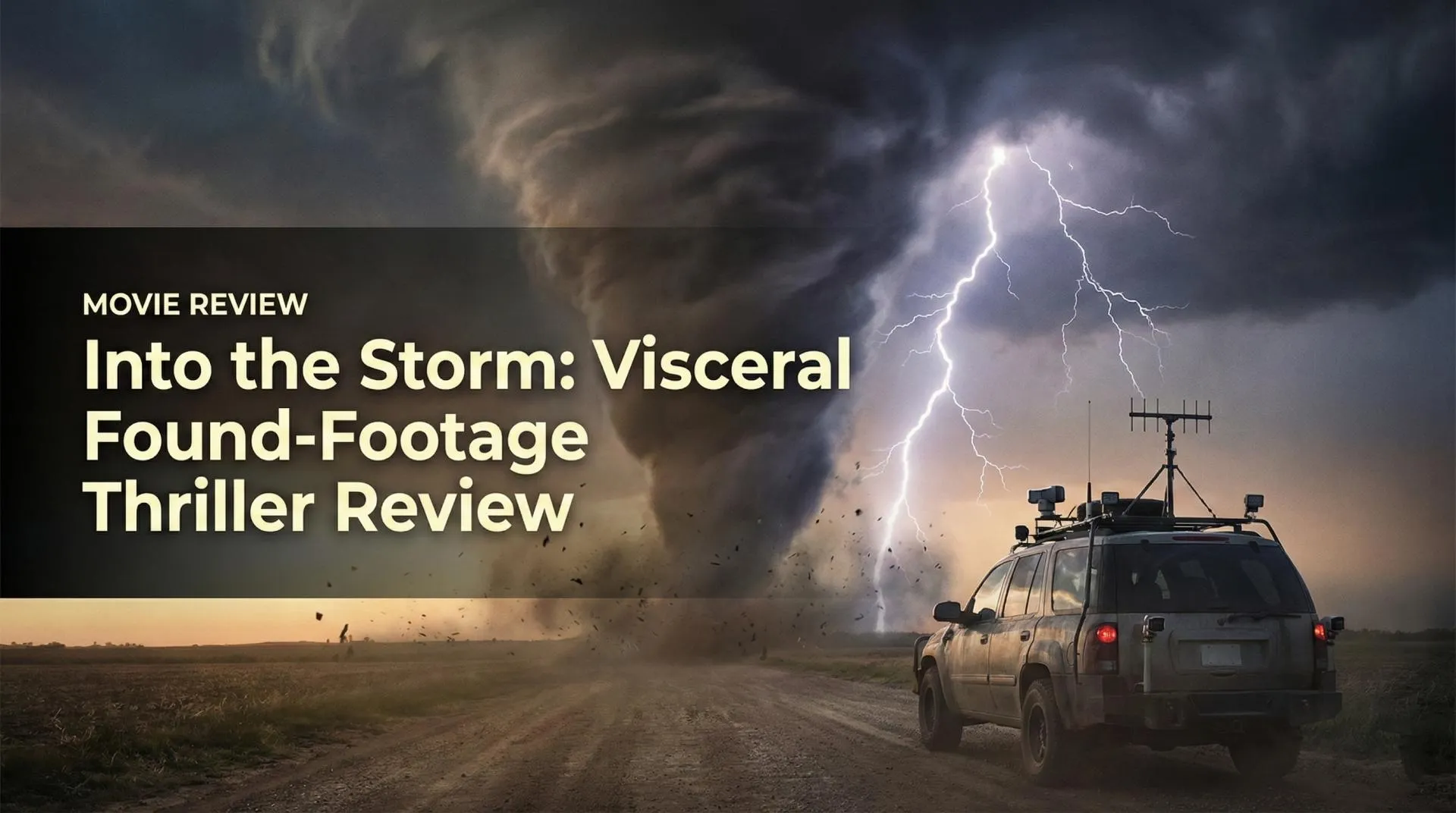
4. The high-frequency texture test: Into the Storm
Film Category: Nature’s Fury The Scene: The Firenado. Timestamp: 01:05:30
The crackling of the flames inside a vortex creates a unique high-frequency texture. It tests your tweeters’ ability to resolve detail amidst a heavy bass track.
- Dad Tip: For a 360-degree vertical test, I always reach for the Into the Storm [Blu-ray].
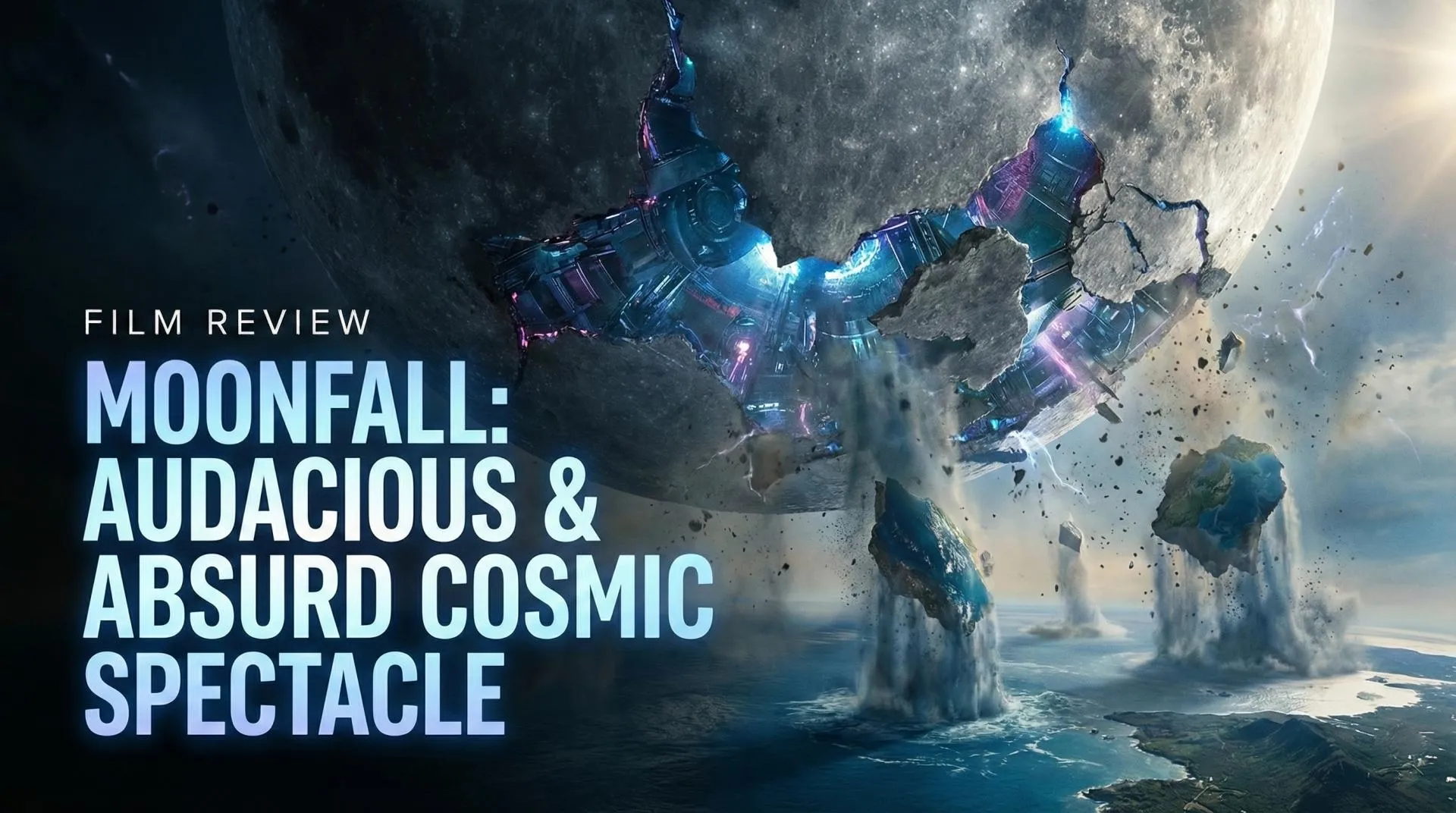
5. The pressure test: Moonfall
Film Category: Space Threats The Scene: The Shuttle Launch through the Tidal Wave. Timestamp: 00:48:15
The ultimate “Maximalist” scene. It combines the roar of rocket engines with the crashing weight of thousands of tons of water.
- Dad Tip: This tests your crossover integration. The Moonfall [4K Ultra HD] is a visual and auditory feast that leaves no speaker idle.
🛠️ The Dadnology 3-step calibration
To get these scenes sounding like the director intended, check these settings:
- Crossover: Set your speakers to “Small” and the crossover to 80Hz. Let the sub handle the heavy lifting.
- LFE Trim: Don’t be afraid to run your subwoofer 3dB to 5dB “hot” for these movies. Disaster cinema is the only genre where “too much bass” is almost enough.
- Hardware: If you’re serious about these tests, you need a sub that can handle the excursion, like the SVS PB-16 Ultra Subwoofer.
🧭 Dive deeper into the disaster canon
Calibration is just the beginning. Once your system is tuned, experience the full emotional and technical breadth of the genre through our specialized thematic hubs:
- ☄️ The Space Threat Series: Test your system against asteroids and cosmic impactors.
- 🌋 The Tectonic Terror Series: The ultimate category for sustained subwoofer testing.
- 🌪️ The Nature’s Fury Series: The best collection for 360-degree Atmos spatial testing.
- ✊ The Survival Legends Series: Focus on dialogue clarity and atmospheric silence.
🎚️ How to actually set your subwoofer levels using these scenes
A calibration disc is fine. A disaster movie is better. Here is the practical workflow for using these timestamps to dial in your subwoofer levels rather than just marvel at them.
Step 1 — Run auto-calibration first. Whether you are using Audyssey, YPAO, or MCACC, let your receiver do the baseline pass before touching anything manually. The automated system handles distance and phase; we are only adjusting the final trim.
Step 2 — Start at reference. Play the San Andreas Hoover Dam scene at 0dB reference level with your current settings. If the sub produces port noise (a chuffing sound distinct from the low-frequency content itself), your sub is working beyond its excursion limits at that output. Lower the LFE trim by 3dB and repeat.
Step 3 — Check the Twisters scene for balance. The motel intercept in Twisters is not a bass test — it is a spatial balance test. If the debris panning over your head sounds loud but thin, your crossover is too high and the sub is doing work it should not. If the floor rumbles but the height channels feel disconnected, your crossover may be too low. 80Hz is almost always right.
Step 4 — Use Deepwater Horizon for headroom. The blowout scene goes from near-silence to maximum output in under a second. If that transient sounds “thuddy” rather than sharp, your amplifier is clipping. Reduce master volume by 3dB and re-test. This is your true reference ceiling for disaster content.
The practical result: after 15 minutes with these three timestamps, you will know your system’s real-world limits better than any measurement microphone report tells you. Numbers describe the ceiling; these scenes tell you whether you enjoy living close to it.
🗣️ Final dad take
Testing your home theater with disaster movies is a rite of passage. It’s the moment you find out if your gear is truly “Elite.” Use these timestamps, dial in your settings, and remember: if the neighbors aren’t complaining by the time the Moon hits the Earth, you need a bigger subwoofer.
FAQ
Do I need a 4K Blu-ray disc or is streaming good enough for these tests?
What crossover setting should I use for disaster movie content?
Why is San Andreas considered the best subwoofer test scene?
Can I use these scenes to test a soundbar or budget setup?
Is Twisters better than the original Twister for Atmos testing?
Related Dadnology review: From Cinema to Survival
Keep this in your inbox
One email a week: what we actually watched, built and reviewed — the stuff worth a dad's time. No hype, no daily spam.
Dadnology Weekly
One email a week: the LEGO, gaming and movie news worth a dad's time — plus what we actually reviewed. No hype, no daily spam.
Disclaimer: This review and its visuals were created with the help of AI. Some links may be affiliate links – we may earn a commission if you make a purchase, at no extra cost to you.
Current deals in Tech & gadgets
Verified live discounts tracked on Amazon
Tech & gadgets · Tested by Dadnology
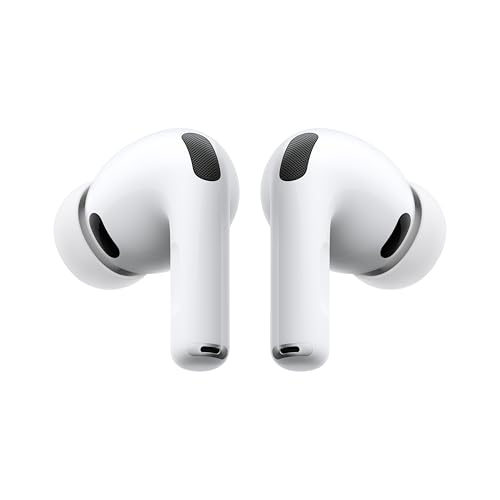
Apple AirPods Pro (3rd generation)
5/5“The best noise-cancelling earbuds for Apple families”Read our review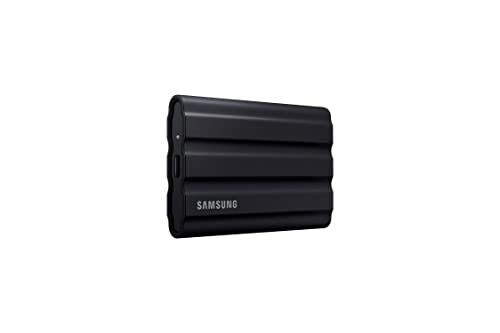
Tech & gadgets · Tested by Dadnology
Samsung T7 Shield 2TB
5/5“Small, fast, and genuinely hard to break”Read our review