
Gone Tomorrow – Suicide, Secrets, and Reacher in the Subway
Reacher’s instincts kick in when a woman on the New York subway shows all the signs of a suicide bomber. What follows is far bigger than he imagined.
This post contains affiliate links. We may earn a commission if you make a purchase, at no extra cost to you. As an Amazon Associate, Dadnology earns from qualifying purchases.
📚 Introduction
This review is part of the Jack Reacher Book Series – explore all Reacher books in order!
In Gone Tomorrow, Lee Child thrusts Jack Reacher into a chilling modern-day mystery that begins with suspicion and ends with blood. Set in post-9/11 New York, this book draws on real fears – terrorism, surveillance, and secrets at the highest levels.
And as always, Reacher is the man who doesn’t back down, no matter how high the stakes get.
AdGone Tomorrow (Kindle) (opens in a new tab)
Get the Kindle version of Gone Tomorrow.

🕵️ Plot & Characters
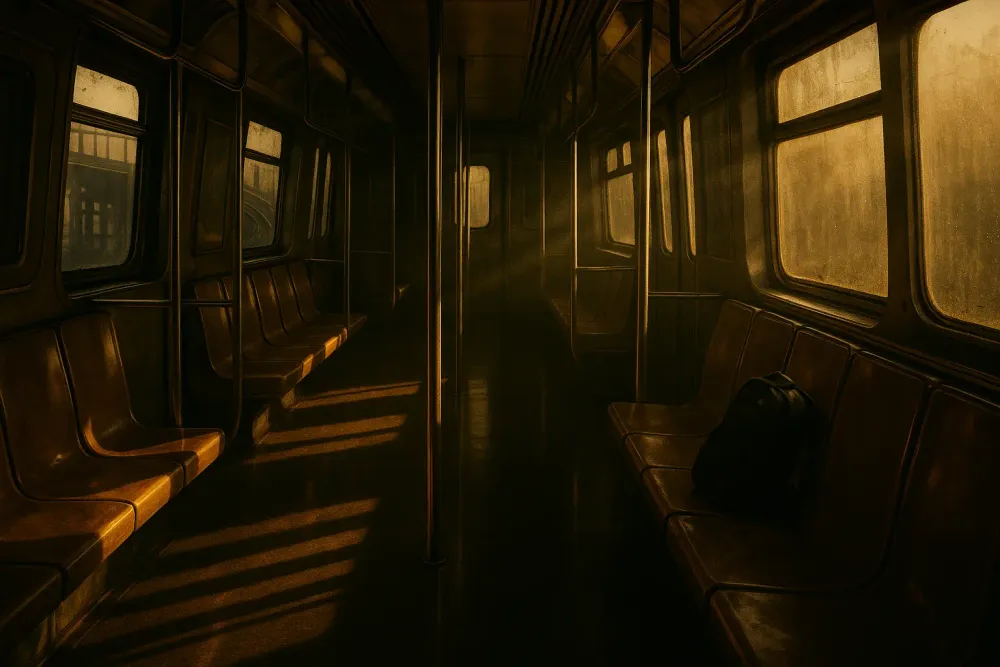
The book opens with a tense, unforgettable scene on a subway train. Reacher observes a fellow passenger and mentally checks off all the signs of a suicide bomber. What happens next sets off a chain reaction involving federal agents, foreign operatives, and dangerous cover-ups.
The woman — Susan Mark — is not a bomber. She pulls out a gun and shoots herself before Reacher can act. Her death isn’t the end of the story. It’s the beginning of it. What Reacher uncovers about Susan’s life and her final hours is what drives him through the rest of the novel: she was not a threat, she was a victim. And the people who made her one are still walking around midtown Manhattan very much alive.
Reacher’s investigation leads him into deep waters: corrupt politicians, secret missions, and old enemies with new agendas. The book’s pace is relentless, as Reacher’s instinctive distrust of authority puts him at odds with multiple sides.
Supporting characters are strong, including NYPD officers, journalists, and a particularly effective antagonist with ties to foreign intelligence. Reacher is cerebral in this one – thinking several moves ahead, playing chess while others play checkers.
The villain isn’t a physical brute — it’s a political operator working through layers of plausible deniability. That’s a different kind of threat for Reacher, and Child handles it well. You can’t punch your way past institutional cover-ups. You need leverage, patience, and an understanding of how the system protects itself. Reacher has all three, but the process of getting there is more procedural and cerebral than in most entries. Readers who want a knuckle-dusting action novel will find this one makes them work harder than usual.
🎯 Style & Atmosphere
Lee Child’s signature style is on full display: short, punchy sentences, minimalism with purpose, and a voice that keeps you turning pages. The atmosphere is cold, urban, and modern – a far cry from the small-town settings of earlier books.
New York is portrayed as chaotic, anonymous, and dangerous – perfect for a man like Reacher, who knows how to disappear in plain sight. The tension never drops. Every scene feels like it could explode, and most of them do.
This book leans more into the thriller genre than mystery, with plenty of twists and ambiguous allegiances. It’s not always easy to know who to trust – which makes it all the more gripping.
Child renders the city with unusual specificity. The subway cars, midtown hotels, the particular anonymity of 2 AM Manhattan — it’s not postcard New York, it’s the functional, slightly hostile city that actually operates at those hours. Reacher moves through it like someone who understands that being invisible in a crowd is a tactical skill. That’s a different kind of competence than the rural settings demand, and Child uses the shift in environment to sharpen different edges of the character.
The post-9/11 atmosphere is present but not exploited. Child uses the context — the heightened vigilance, the behavioral training, the willingness of institutions to operate outside normal oversight — as the realistic backdrop that makes the plot credible rather than as a political statement. What it produces is a thriller that feels genuinely of its moment: paranoid, fast, and aware that the most dangerous things often happen with official sanction.
👨👧👦 Our Experience & Recommendation
As a dad, this book reminded me how important intuition is – and how rarely we trust it in modern life. Reacher sees what others ignore and acts. That message resonates, especially in a world where we’re taught to look away, to stay quiet.
AdGone Tomorrow (Audiobook) (opens in a new tab)
Get the Audiobook version of Gone Tomorrow.
This isn’t a light read – the themes are heavy, and the action is intense – but for older teens and adults, it’s a gripping lesson in courage, observation, and the consequences of speaking up.
The behavioral checklist Reacher runs through on that subway — the eleven signs he’s cataloguing in the opening pages — isn’t thriller hand-waving. Child based it on real counter-terrorism profiling techniques, and the detail work is convincing. As a reader you’re doing the same calculation Reacher is doing, which pulls you into the scene in a way most thriller openings don’t manage. By the time something goes wrong, you’ve already invested in the outcome.
What stayed with me after finishing it was Susan Mark’s story specifically. She’s dead by page 20, and the rest of the book is Reacher making sure her death meant something. That’s not a typical action-thriller engine — it’s closer to a commitment to someone who can no longer advocate for herself. There’s something quietly dignified in that, especially in a genre that usually treats early deaths as pure plot mechanics. Child does right by her, and by extension, by the reader.
For readers coming to it in series order, Gone Tomorrow represents a clear shift in the kind of thriller Child was interested in writing. The early books are more physically direct — the threat is usually a criminal or a corrupt local power, and Reacher solves it with fists, tactics, and blunt force. By Book 13, Child is writing about how institutions protect themselves, how government machinery operates outside oversight, and how ordinary people get ground up by forces they never even knew were in play. That’s a more complex and more disquieting territory. Not every Reacher reader wants it. Those who do will find this one of the best entries in the series.
Ad
Gone Tomorrow (Paperback) (opens in a new tab)
Get the Paperback version of Gone Tomorrow.
Pros
- Intense opening and nonstop tension
- Complex plot with political undertones
- Sharp, modern setting in New York
- Strong supporting cast and antagonist
- Reacher’s intuition and logic shine
Cons
- Plot can be hard to follow at times
- Less emotional depth than other entries
📝 Conclusion
Gone Tomorrow is a modern Reacher thriller: cold, precise, and deadly. From the subway to secret corridors of power, it’s a book that grips hard and doesn’t let go. The pacing is sharp, the writing tight, and the themes relevant.
Recommendation: For fans of political thrillers, urban danger, and Reacher at his most calculated.
🎧 Rather listen than read? Audiobooks are how busy dads actually finish books — start a free 30-day Audible trial and turn your commute into reading time.
Next in the series: 61 Hours (Book 14).
Related Dadnology review: Nothing to Lose – Jack Reacher vs. Two Towns and One Dark Secret
📌 FAQ – Frequently Asked Questions
Is Gone Tomorrow suitable for teens or kids?
How long is the book?
Is this book part of the Jack Reacher series?
Does the story deal with terrorism or national security?
Is Gone Tomorrow more of a spy thriller than a typical Reacher action story?
Who is Susan Mark and why does she matter to the story?
Keep this in your inbox
One email a week: what we actually watched, built and reviewed — the stuff worth a dad's time. No hype, no daily spam.
Dadnology Weekly
One email a week: the LEGO, gaming and movie news worth a dad's time — plus what we actually reviewed. No hype, no daily spam.
Disclaimer: This review and its visuals were created with the help of AI. Some links may be affiliate links – we may earn a commission if you make a purchase, at no extra cost to you.
You might also like

A Wanted Man – Reacher Hitchhikes Into Trouble on a Tense Cross-Country Ride
*A Wanted Man* delivers an unconventional, suspense-heavy Reacher entry that plays more like a locked-room mystery on wheels. While slower paced than some previous books, it rewards patient readers with a layered plot and strong payoffs. Reacher’s deductive mind is on full display, and the story leans into tension over pure action – a bold, well-executed shift in tone.

Better Off Dead – Jack Reacher Walks Into Trouble Again
*Better Off Dead* delivers classic Reacher intensity: a cryptic encounter, a deadly threat, and a high-stakes mission. The style is fast and gritty with a modern edge. It is not the strongest entry in the series, but it is a suspenseful, dependable ride through Reacher’s dangerous world – a solid 4/5.

Neagley – Season 1: A Reacher Spin-Off That Doesn't Need Reacher
Neagley answers a question we didn't know we needed answered: can this universe work without a book to adapt? Yes. Maria Sten leads a tight, genuinely gripping case as Frances Neagley, and the show never leans on Reacher to carry it — he's a guest, not a crutch. Strong characters, a story that earns its turns, and a clear recommendation for anyone who's been following the flagship show. Rating: 4.5/5.