
Is the Ocarina of Time remake OK for kids? A dad's age guide
The Ocarina of Time remake is rated E10+ and has no online play or purchases. Like the ESRB, we put the line at ten, with a parent nearby once Link grows up and the game turns dark.
This post contains affiliate links. We may earn a commission if you make a purchase, at no extra cost to you. As an Amazon Associate, Dadnology earns from qualifying purchases.
🗡️ The short answer
Ocarina of Time is back, rebuilt for Nintendo Switch 2 and out on November 5, 2026. If someone in your house is asking for it, here is the short answer: yes from ten, as the ESRB rating says, with you nearby once Link grows up.
The rating side is simple. The ESRB rates the remake E10+, there is no online play, no chat and nothing to buy inside the game. Few big games are this easy to hand over.
The real questions come from the game itself, and there are three:
- The dark half: when Link becomes an adult, the enemies and two of the dungeons get properly creepy.
- The reading: a lot of the game still explains itself in text.
- The puzzles: dungeons that need patience, aiming and a good sense of space.
What the rating actually says
The ESRB rates The Legend of Zelda: Ocarina of Time on Switch 2 E10+ (Everyone 10+), with two content descriptors: Animated Blood and Fantasy Violence. Its rating summary describes a third-person adventure in which the hero explores a fantasy world, solves puzzles and fights creatures with swords, arrows and magic. Combat comes with impact sounds, bright flashes and cries of pain, and some defeated enemies leave green or purple blood.
That is the whole list. There is no language, no sexual content and no realistic violence. The ESRB lists no interactive elements, which means no in-game purchases and no online interaction. Nintendo’s own listing confirms it is a single-player game for one system.
One detail for parents who know the older versions: the 3DS version from 2011 also carried a Suggestive Themes descriptor. The Switch 2 rating does not. The original N64 game was rated E, because the E10+ category did not exist until 2005.
The two halves of the game
Ocarina of Time is really two games, and the age question sits almost entirely in the second one.
In the first half, Link is a child. He leaves the forest, meets a princess, visits a ranch and a market town, and clears three dungeons inside a tree, a cave and a giant fish. The enemies are plants that snap, bats and the odd skeleton. Nothing here should worry a younger child.
Then Link pulls the Master Sword, the story jumps seven years ahead, and the world he comes back to has been taken over by Ganondorf. Market town is in ruins. The tone changes, and so do the monsters:
- ReDeads: zombie-like figures that let out a scream that freezes Link in place, then grab him. The scream is what children remember.
- Gibdos: mummy-like versions of the same idea, wrapped in bandages.
- Skulltulas: giant spiders that drop from the ceiling, along with their big brothers in the darker dungeons.
And in this second half of the story, two dungeons stand apart. The Bottom of the Well, under the village of Kakariko, and the Shadow Temple are dark, creepy places full of hidden pits, invisible walls and grisly decoration. Both are home to Dead Hand, a pale creature with long arms that grab from the floor. You play the Well as young Link, travelling back in time, so it is not only the adult who meets them. Grown adults still bring these two up when they talk about the game. If your child is sensitive to scary scenes, this is where you want to be on the sofa.
The remake does not soften any of this, as far as Nintendo has shown. If anything, the new visuals and voice acting make the dark parts more vivid than the blocky N64 version ever could.
Reading, puzzles and frustration
The other thing to weigh is not content at all. It is what the game asks of the player.
Reading: the remake adds voice acting and new, expanded dialogue, but it is still a game that explains itself through text. Where to go next, what an item does, what a character needs: a lot of it you read. A child who is still a slow reader will need you nearby, especially in the first hours.
Puzzles: the dungeons are complex 3D mazes. The Water Temple is the famous one, where you raise and lower the water level to reach new parts of the building, and plenty of adults got lost in it in 1998. A child needs a good sense of space to keep track of where they are and where they have already been.
Aiming under pressure: several fights and puzzles ask you to aim the bow or the hookshot quickly and precisely. The remake helps here: Nintendo lets you aim with the buttons or with motion controls, chosen in the options menu, so a child can use whatever feels easier.
Saving: the original version was not forgiving. Save in a dungeon, come back later and you started again at its entrance, or back at a fixed point in the world. It pays to save before a dungeon and to stop at a sensible point, not in the middle of a boss room.
All of that needs frustration tolerance. A child who gives up quickly will bounce off the Water Temple. A child who likes figuring things out will love it, and probably tell you about it at dinner.
What the remake changes for a child
Some of the changes help younger players, even though the game is the same story and structure:
- Voice acting makes the story easier to follow for a child who reads slowly.
- A real jump and a dash, plus modern camera control, make moving around less awkward than the N64 version’s automatic jumping.
- Button or motion aiming for the bow and hookshot, set in the options.
- Zelda Notes in the Nintendo Switch App on a phone shows what your child achieved that day, sets picture-based challenges to find places in the game, and lets them play the ocarina on the phone.
None of these changes the dark half. They make the game easier to play, not less scary.
So: At what age?
The ESRB says ten and up, and we agree. The rating covers the content; the conditions below cover the rest.
Under 10: watch rather than play, or play together with you on the controller. For a first Zelda of their own, Link’s Awakening is the better start: shorter, brighter and easier to follow.
10 to 11: a good age for it, with you nearby for the Bottom of the Well and the Shadow Temple, and on hand when a puzzle stalls. Playing together works well here: one of you on the controller, both of you working out the dungeon.
12 and up: most children can play it on their own. The scary parts are still scary, but at this age they are the good kind.
Whatever the age: our guide Is Zelda OK for Kids? has an age ladder for every game in the series, and our age guides hub collects every other game and film we have checked the same way. If you want to know what the remake changes for players who know the N64 game, read Ocarina of Time remake vs. original. And if you are getting the game for a first-timer, our beginner tips cover the things nobody explains.
Pros
- Rated E10+ with only Animated Blood and Fantasy Violence
- No online play, no chat and no in-game purchases
- Voice acting and a modern jump make it easier to follow than the N64 original
- Bow and hookshot aiming works with buttons or motion controls
Cons
- The adult half brings in ReDeads, Gibdos and giant spiders
- The Bottom of the Well and the Shadow Temple are genuinely creepy
- A lot of the game still needs reading
- Puzzles like the Water Temple need patience and a good sense of space
The Ocarina of Time remake is one of the easiest big games to hand over on paper: E10+, single-player, no shop. What it asks of a child is reading, patience and nerve for the second half. From ten, with you nearby for the two dark dungeons, it is a wonderful first big adventure, and the one many of us still remember best.
❓ Frequently asked questions
Is the Ocarina of Time remake OK for kids?
What is the Ocarina of Time remake rated?
Is Ocarina of Time scary for kids?
Does my child need to read to play Ocarina of Time?
Can kids play Ocarina of Time online or buy things in it?
What should younger kids play instead?
Keep this in your inbox
One email a week: what we actually watched, built and reviewed — the stuff worth a dad's time. No hype, no daily spam.
Dadnology Weekly
One email a week: the LEGO, gaming and movie news worth a dad's time — plus what we actually reviewed. No hype, no daily spam.
Disclaimer: This review and its visuals were created with the help of AI. Some links may be affiliate links – we may earn a commission if you make a purchase, at no extra cost to you.
Current deals in Gaming
Verified live discounts tracked on Amazon

Gaming · Tested by Dadnology
Marvel’s Spider-Man 2 (PS5)
5/5“Bigger, bolder, near-perfect superhero storytelling”Read our review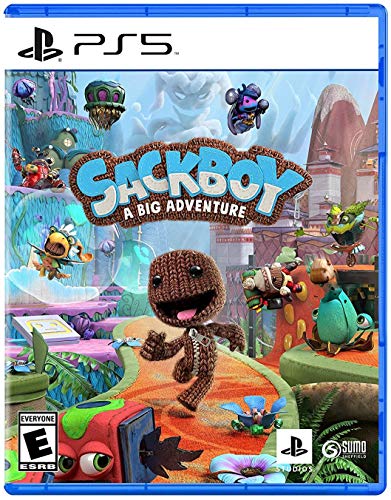
Gaming · Tested by Dadnology
Sackboy: A Big Adventure (PS5)
4.5/5“Crafty co-op joy on PlayStation 5”Read our review
Gaming · Tested by Dadnology