Is Harry Potter OK for kids? A dad's book-by-book age guide
A dad's honest age guide to every Harry Potter book and film — the right age for each one, the scary scenes to expect, and where to start.
This post contains affiliate links. We may earn a commission if you make a purchase, at no extra cost to you. As an Amazon Associate, Dadnology earns from qualifying purchases.
TL;DR – Our Dadnology picks
🪄 This guide is part of our Harry Potter Hub — all 8 films, all 7 books, and the LEGO Hogwarts sets, in watch and read order.
The short version: Harry Potter is absolutely OK for kids — it’s one of the best shared stories a family can have. The catch is that it doesn’t stay a kids’ story, and that’s by design. Here’s the honest, book-by-book and film-by-film breakdown.
The one thing every parent should know first
Harry Potter has a property almost no other family franchise has: it grows up at the same speed as its reader. The first book is a warm, funny children’s story about a boy who finds out he’s a wizard. The last book is about war, sacrifice, and burying friends. That’s not a flaw — it’s the entire design. Harry is 11 when the story starts and 17 when it ends, and the tone tracks his age almost exactly.
That design gives you, the parent, a superpower and a trap. The superpower: if your child starts at 7 or 8 and reads one or two books a year, the series stays perfectly age-matched the whole way — the darkness arrives exactly when they’re ready for it. The trap: a 7-year-old who loves the first film will demand all eight, and the marathon takes you from “mountain troll in the bathroom” to “beloved characters dying on screen” inside a couple of weekends.
So the real question isn’t “is Harry Potter OK for kids?” — it’s “how do I pace it?” Our criteria in this guide are simple: we flag the genuinely scary beats, give an honest age for each book and film based on reading them with our own kids, and lay out the ladder that makes the series work the way it was built to.
Series content
Explore all articles, reviews, and guides in this series.
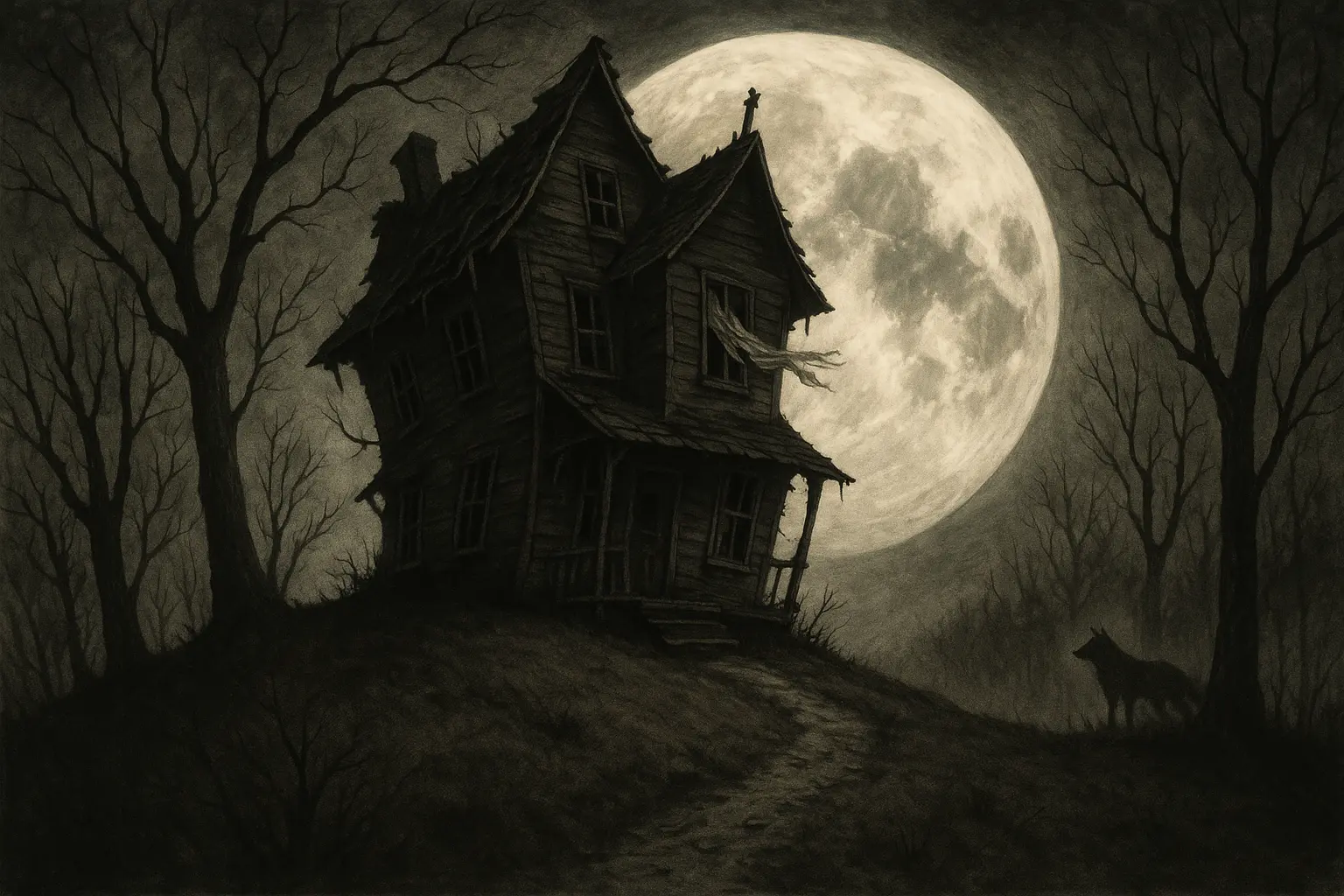
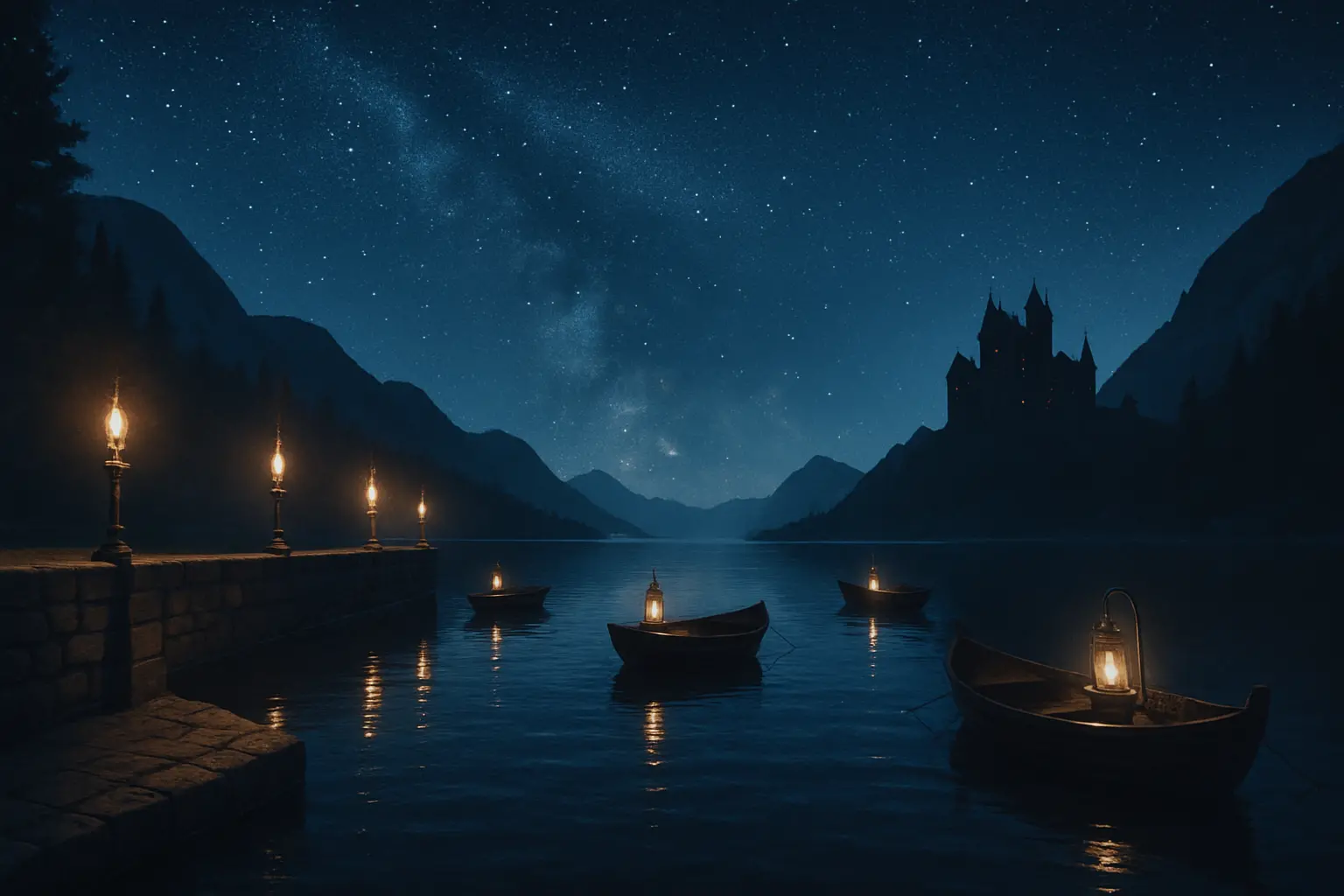
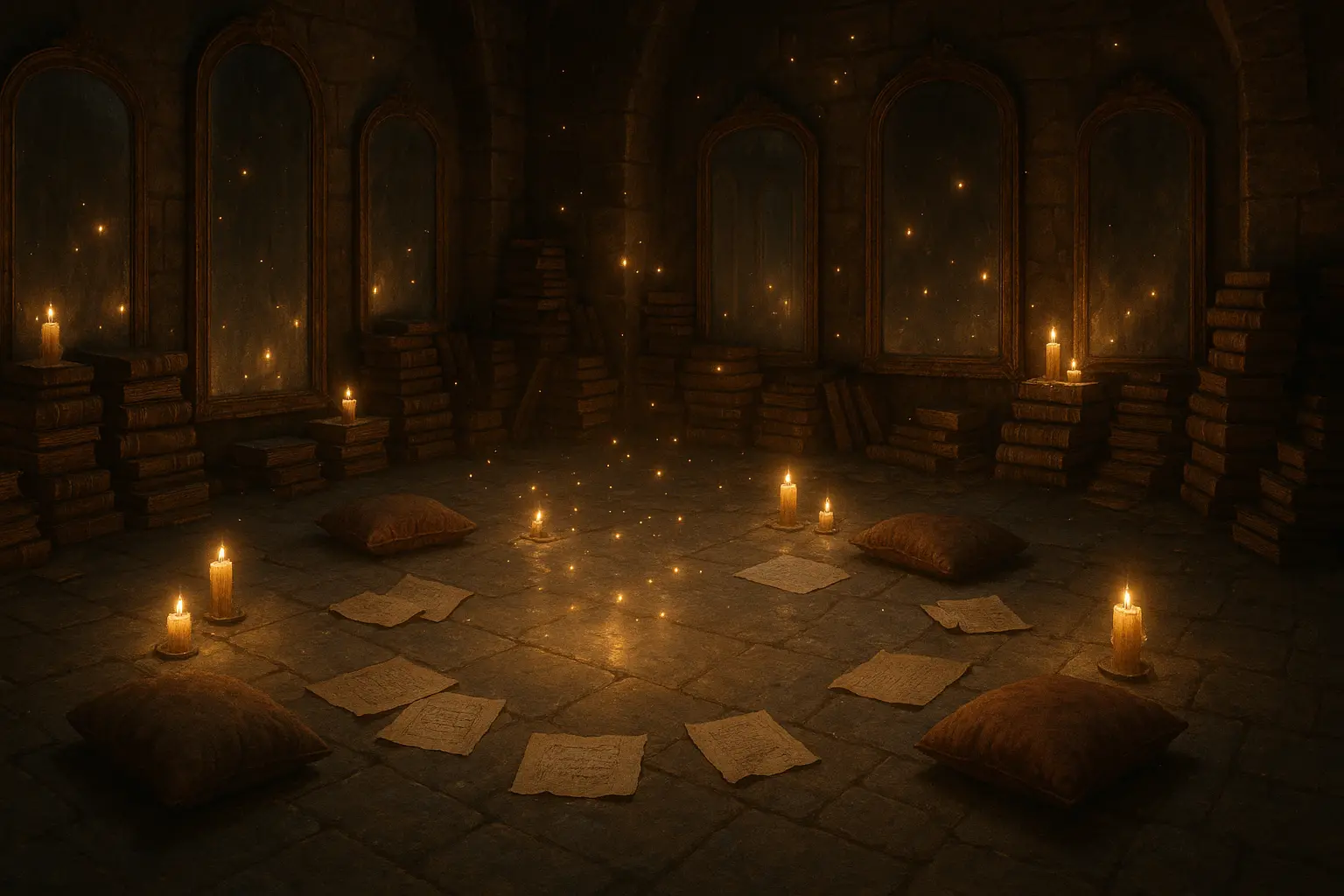
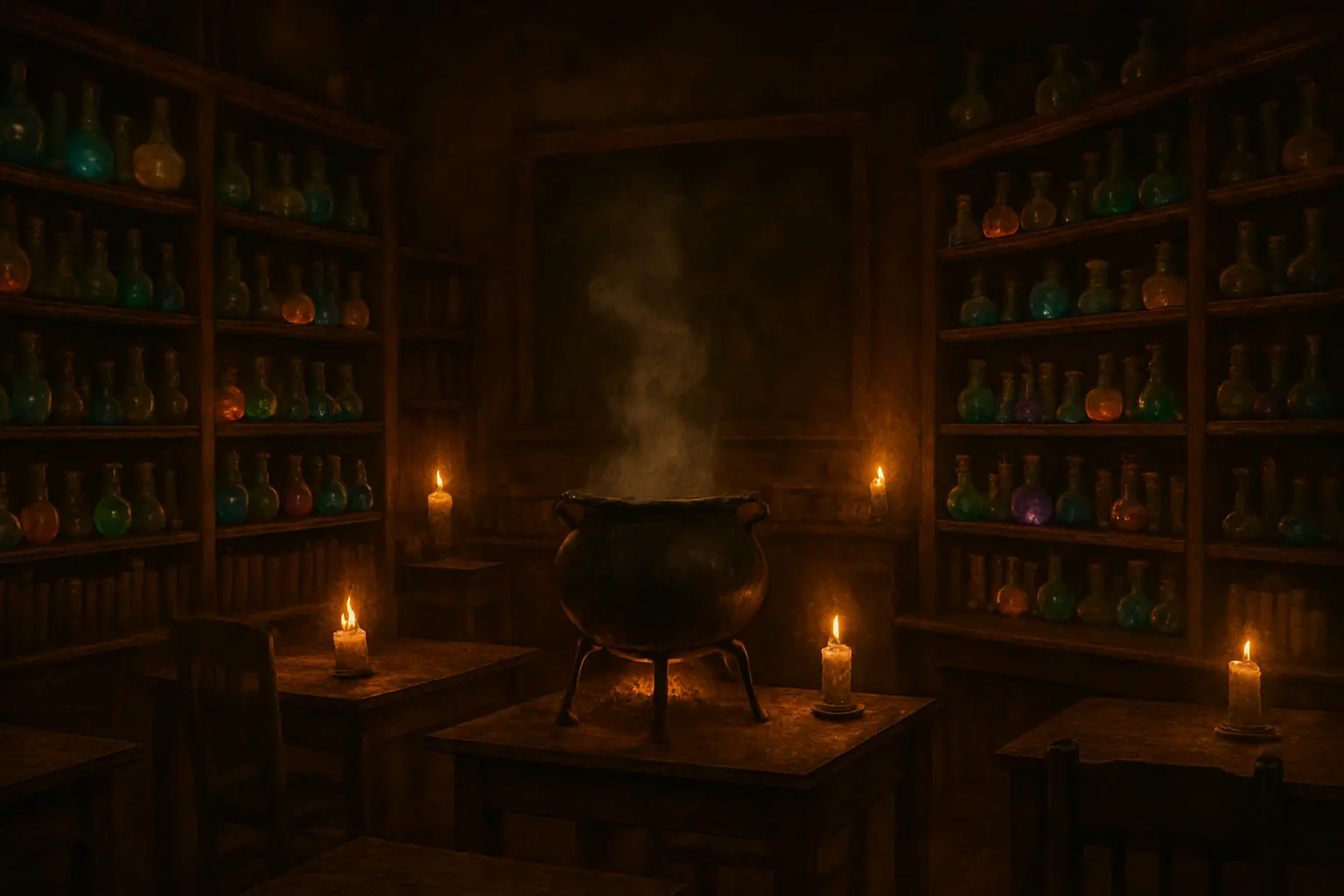
The books: The best read-aloud ladder in publishing (7+)
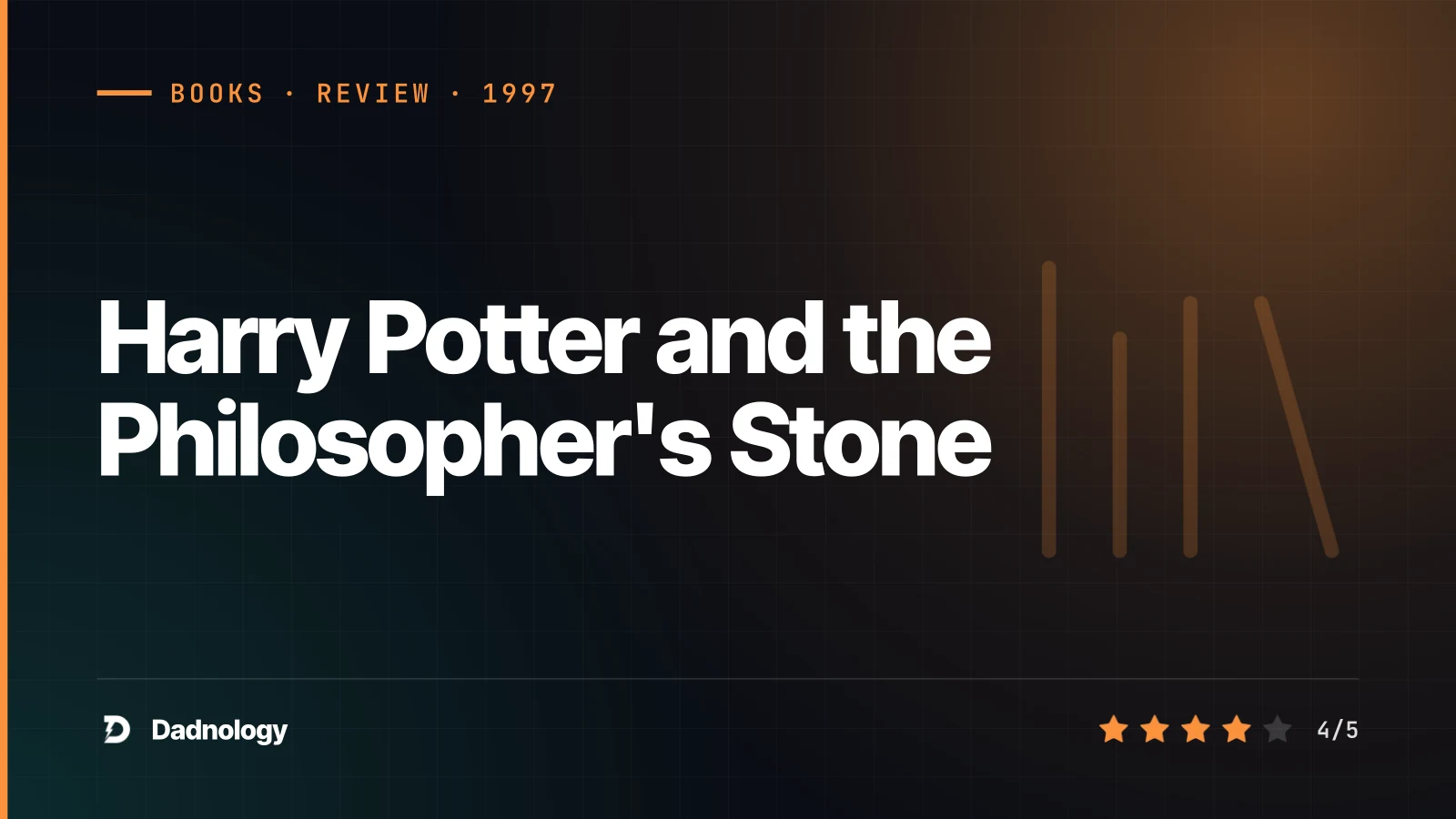
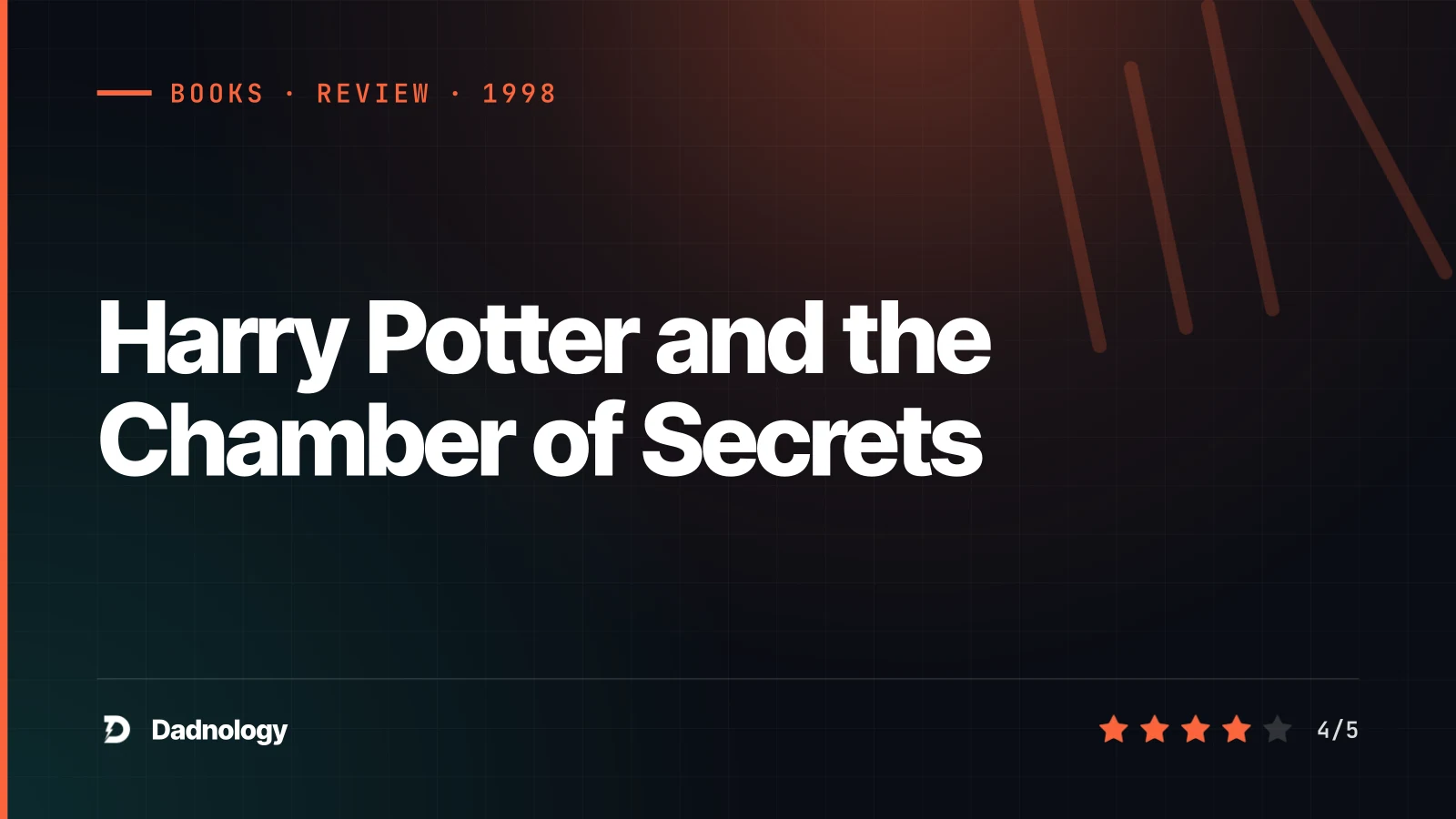
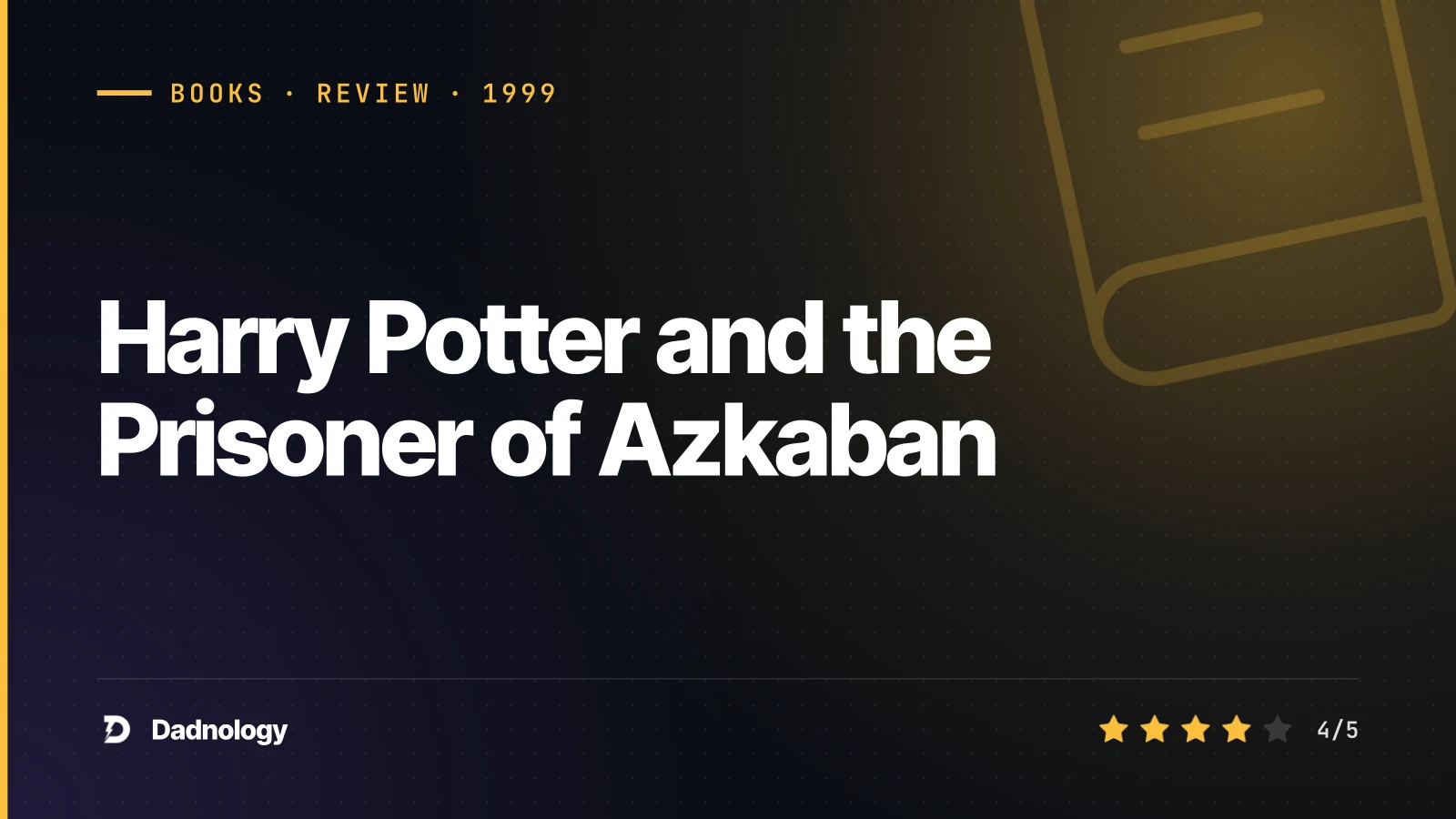
Books 1-3 — Philosopher’s Stone, Chamber of Secrets, Prisoner of Azkaban (ages 7-9). This is legitimate children’s literature: short chapters, big laughs, and danger that resolves safely. Buying the complete seven-book box set up front is the cheaper move here, and it means the next book is already on the shelf when they finish one at 10pm on a school night. The Philosopher’s Stone is a wonderful read-aloud from about age 7, and confident readers handle it solo at 8 or 9. Chamber of Secrets adds giant spiders and a basilisk — noticeably creepier on the page, but a child’s imagination sets its own volume. Prisoner of Azkaban introduces the Dementors and a darker mood, and it’s also where the writing takes a real step up; our review calls it the point where the series turns.
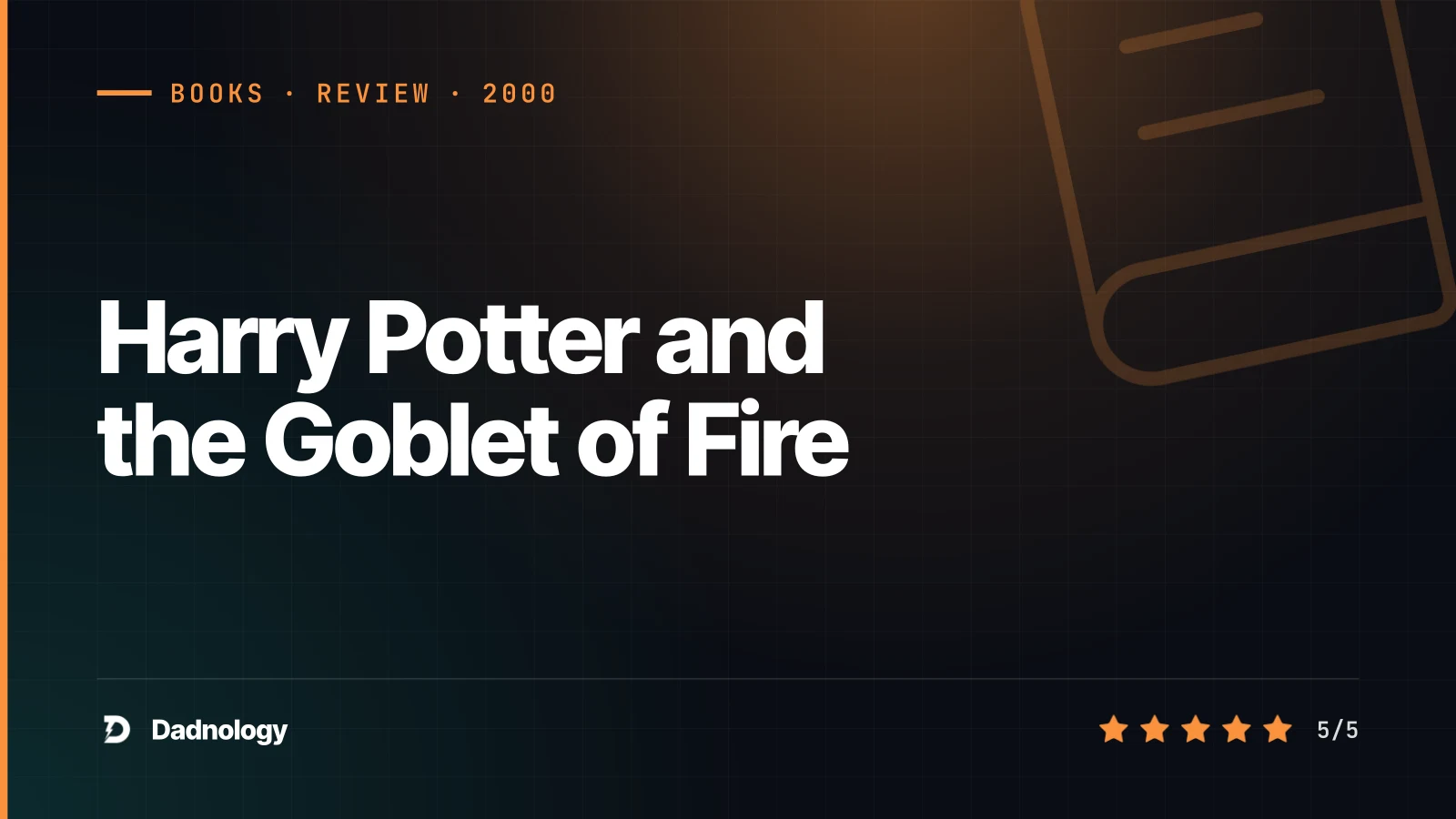
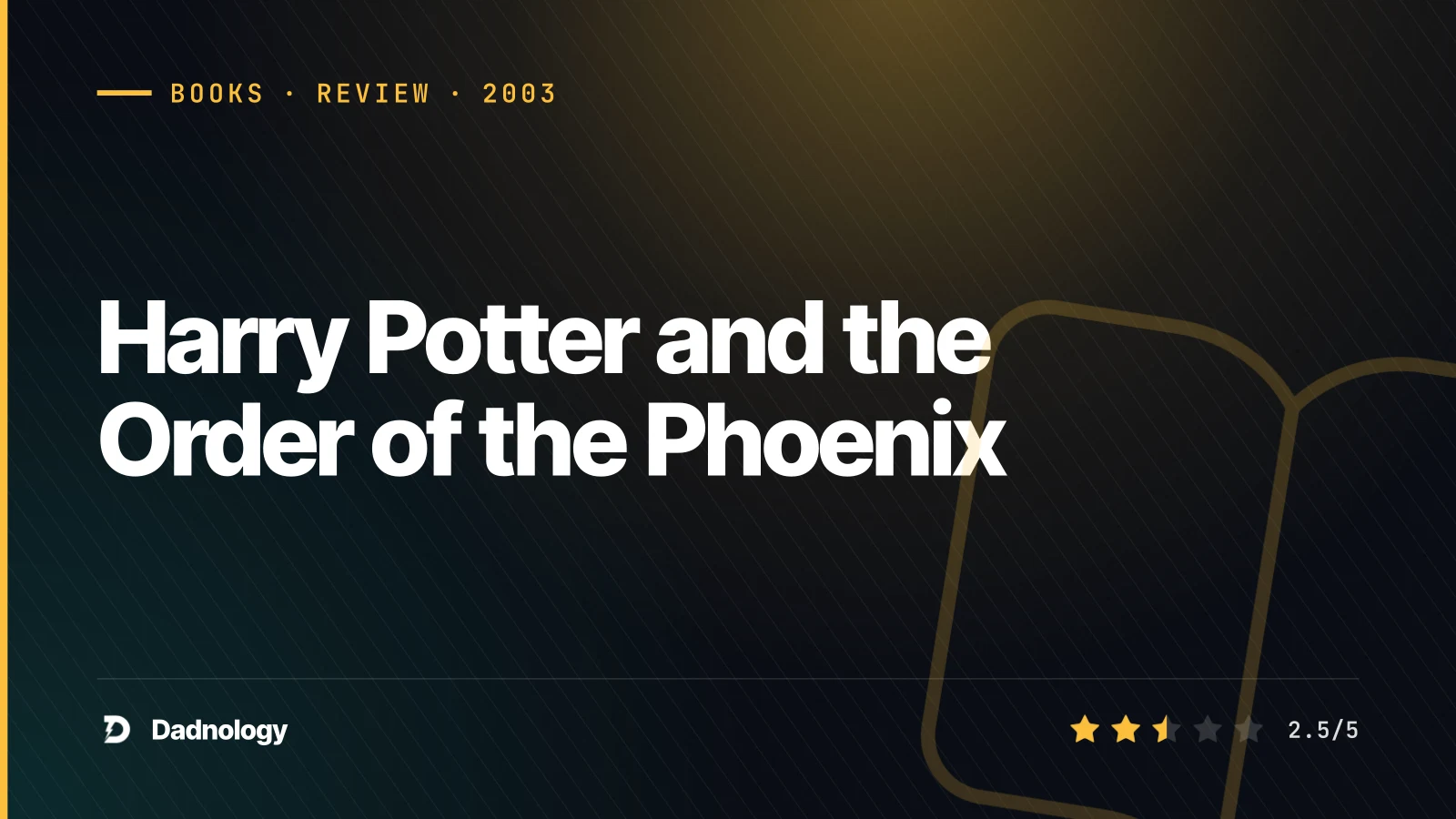
Books 4-5 — Goblet of Fire and Order of the Phoenix (ages 10-11). Goblet of Fire is the hinge of the whole saga: it’s nearly twice as long as the early books, and it ends with a student’s death and Voldemort’s return. It’s also, honestly, one of the best page-turners in the series. Order of the Phoenix is long, angry, and heavy on injustice — the weakest book in our ranking, but its themes (a government lying, a school under authoritarian control) land well with thoughtful 10-12 year olds.
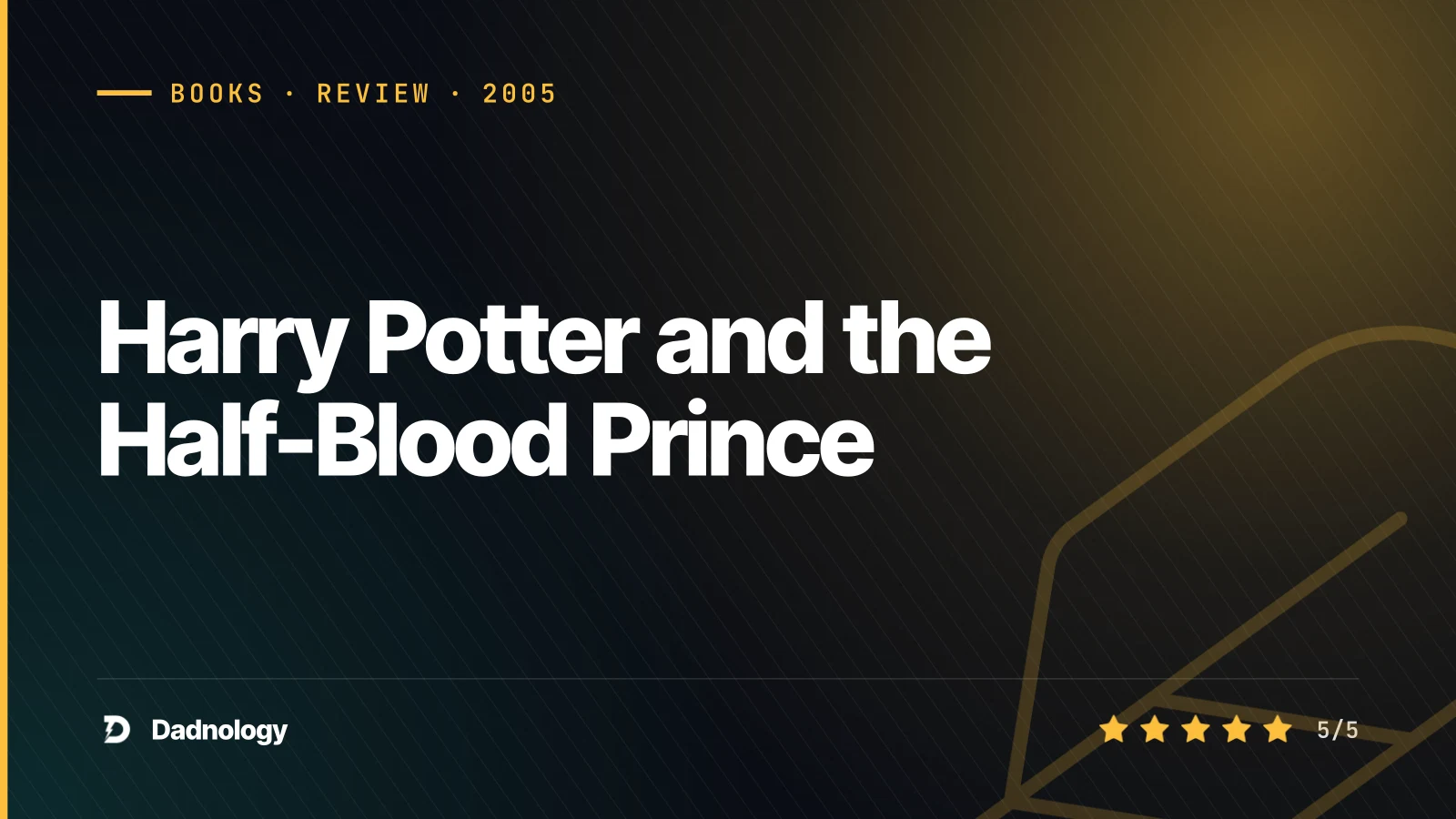
Books 6-7 — Half-Blood Prince and Deathly Hallows (ages 11-12+). The endgame. Major character deaths, torture, and a story that has fully stopped being a children’s book. Both are superb — Deathly Hallows is a perfect finale — but they reward a reader old enough to sit with grief, not just adventure.
The films: From cozy PG to full-blown war movie
Films 1-2 (PG, ages 7-8+). The Chris Columbus films are the family-friendly heart of the series — warm, faithful, and gentle. The scares are brief and storybook-flavored: a mountain troll, a three-headed dog, and Voldemort’s face on the back of a turban (the one moment that startles most younger kids). Chamber of Secrets leans harder on the spiders and the basilisk, so arachnophobic kids may want a heads-up.
Films 3-4 (ages 9-11). Prisoner of Azkaban is still PG, but it’s a different movie — moodier, darker, and home to the Dementors, the series’ first genuinely frightening creatures. It’s also the best film of the saga in our ranking. Goblet of Fire is the first PG-13 entry, and it earns the rating: the graveyard finale, a student’s on-screen death, and Voldemort reborn. This is the film where you decide whether your child is ready for the second half.
Films 5-8 (ages 11-12+). From Order of the Phoenix onward, the series is effectively a war story. Half-Blood Prince is technically PG but emotionally heavy — the cave sequence and the tower finale hit harder than most PG-13 action. The two Deathly Hallows films bring torture, a brutal snake attack, and sustained battle violence with multiple deaths of characters your kids will love by then. They’re a genuinely great finale for a 12-year-old who has climbed the ladder — and a terrible idea for a 7-year-old who just liked the first movie.
Books first or films first?
Books first, every time we can manage it. Two reasons. First, imagination is self-regulating: a Dementor on the page is exactly as scary as your child lets it be, while a Dementor on screen is fixed and inescapable. Kids consistently handle dark material in print a year or two before they handle the same scene filmed. Second, the read-then-watch rhythm is a built-in pacing brake — “we watch the film when we finish the book” is the easiest house rule in parenting, and it turns the whole series into a multi-year family project instead of a two-weekend binge.
With a new generation discovering the story through the HBO television series — which retells the saga one book per season, starting again from the Philosopher’s Stone — that ladder matters more than ever. The show’s arrival is the perfect excuse to start the books with your kids now and let the family grow into the story together, exactly as designed.
At a glance: The family ladder
| Stage | Our Age Guide | Main Concern | Family Verdict |
|---|---|---|---|
| Books 1-3 | 7-9+ | Spiders, basilisk, Dementors on the page | The perfect on-ramp |
| Films 1-2 (PG) | 7-8+ | Troll, Fluffy, Voldemort's face | Cozy family viewing |
| Film 3 + Book 4 | 9-10+ | Dementors, the graveyard scene | The series grows teeth |
| Books 5-7 | 10-12+ | Death, war, heavy themes | For invested readers |
| Films 4-8 (mostly PG-13) | 11-12+ | Character deaths, battle violence | The war-story endgame |
The pattern is the whole point: nothing in Harry Potter is off-limits for a family, but everything depends on hitting each stage at the right age. A series that’s perfect at the right pace is overwhelming at the wrong one.
How to choose: The dad decision framework
If your kids are 6-7: start reading the first book aloud at bedtime. Skip the films for now — or soften the entry with something hands-on like the LEGO Flying Ford Anglia while you read.
If your kids are 8-9: books 1-3 solo or aloud, films 1-2 on family movie night. Hold the line at Prisoner of Azkaban until the Dementors won’t follow them to bed.
If your kids are 10-11: open up Goblet of Fire — book before film if you can — and gauge their reaction to the graveyard scene before green-lighting the rest.
If your kids are 12+: the whole series is theirs. Watch the finale together; the Battle of Hogwarts is better with a dad on the sofa.
The same question tends to arrive about the next franchise a few months later, so we keep every Dadnology age guide in one index — the films, shows and games we have graded the same way, by what actually happens in them rather than by the label on the box.
Pros
- A story that grows with your child — perfectly age-matched from 7 to 12 if you pace it
- Books 1-3 are among the best family read-alouds ever written
- Themes worth absorbing: courage, loyalty, friendship, and doing the right thing at a cost
Cons
- The tonal shift is real — the last four films are war movies, not kids' films
- A binge-happy 7-year-old will hit death and torture far too early without a parent pacing it
The bottom line
Harry Potter isn’t just OK for kids — paced right, it’s one of the best things you’ll ever share with them. The series was engineered to grow up alongside its reader: start the first book aloud at 7, let the films trail the books, and treat Goblet of Fire as the checkpoint before the darker second half.
Respect the ladder and you get five-plus years of shared reading, movie nights, and one unforgettable finale watched together.
Our pick to start: the complete book box set for bedtime reading, with the 8-film collection ready for when they’ve earned each movie.
One more option for the years where they want the story but not the reading: an Audible trial covers the audiobook route, which is how a lot of families get a nervous seven-year-old through Chamber of Secrets without a parent losing their voice.
Our full reviews of every Harry Potter film and book appear below — each with detailed family-suitability notes and an honest rating.
Is Harry Potter OK for kids?
What age should a child start Harry Potter?
Which Harry Potter movies are PG-13?
Should kids read the Harry Potter books or watch the movies first?
What are the scariest Harry Potter moments for younger kids?
Keep this in your inbox
One email a week: what we actually watched, built and reviewed — the stuff worth a dad's time. No hype, no daily spam.
Dadnology Weekly
One email a week: the LEGO, gaming and movie news worth a dad's time — plus what we actually reviewed. No hype, no daily spam.
Disclaimer: This review and its visuals were created with the help of AI. Some links may be affiliate links – we may earn a commission if you make a purchase, at no extra cost to you.
Current deals in Movies & TV
Verified live discounts tracked on Amazon
![The Legend of Korra — The Complete Series [Blu-ray]](https://m.media-amazon.com/images/I/51+1TXyb7aL._SL500_.jpg)
Movies & TV · Tested by Dadnology
The Legend of Korra — The Complete Series [Blu-ray]
4.5/5“A new Avatar, a modern city, a masked revolution”Read our review
Movies & TV · Tested by Dadnology
Zack Snyder's Justice League (4K Ultra HD)
4/5“Four hours. One vision. This is the film.”Read our review
Movies & TV · Tested by Dadnology