
Spider-Man: No Way Home Multiverse Explained (Before Brand New Day)
How the multiverse actually works in Spider-Man: No Way Home — Doctor Strange's spell, every returning villain, and how it connects to Loki and Doctor Strange 2.
This post contains affiliate links. We may earn a commission if you make a purchase, at no extra cost to you. As an Amazon Associate, Dadnology earns from qualifying purchases.
🌌 The Multiverse Moment Everyone Remembers, the Mechanic Nobody Explains
Spider-Man: No Way Home moves fast once the multiverse cracks open, and the film trusts you to keep up without ever pausing to spell out the actual rule governing who shows up and why. That is fine on a first watch — the nostalgia hit of Doctor Octopus or Green Goblin walking on screen carries the scene by itself. It is less fine years later, or right before Brand New Day leans on the same mechanics again, when the specifics have gone fuzzy. This is that explainer: what the spell actually does, why these five villains and no others, and how this one film quietly plugged into a multiverse the MCU had already started building elsewhere.
AdSpider-Man: No Way Home (4K Ultra HD) (opens in a new tab)
The film this whole explainer is about — the spell, the villains, the ending that erases Peter from everyone's memory.
Series Content
Explore all articles, reviews, and guides in this series.
🪄 Doctor Strange’s Spell — What It Was Supposed to Do
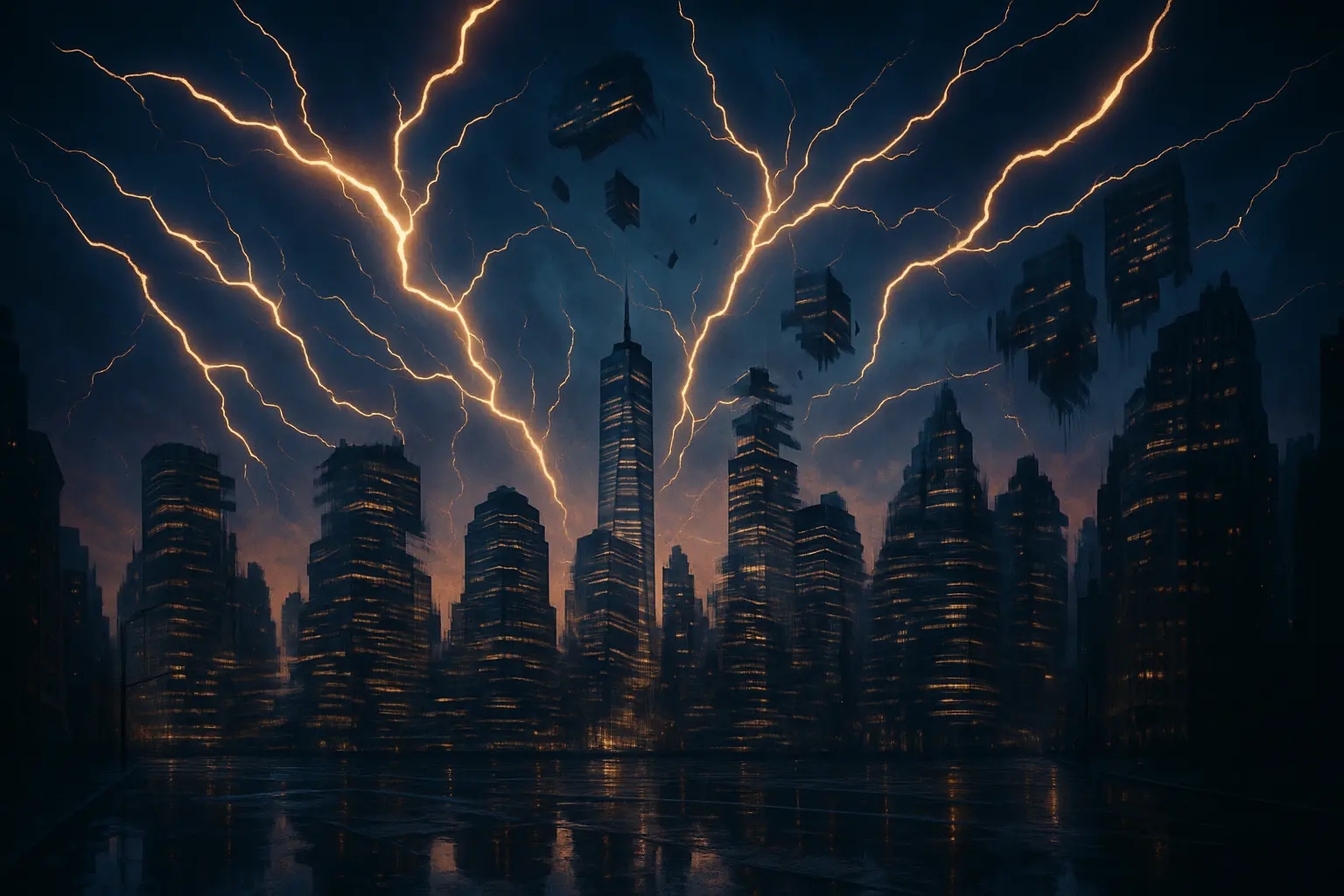
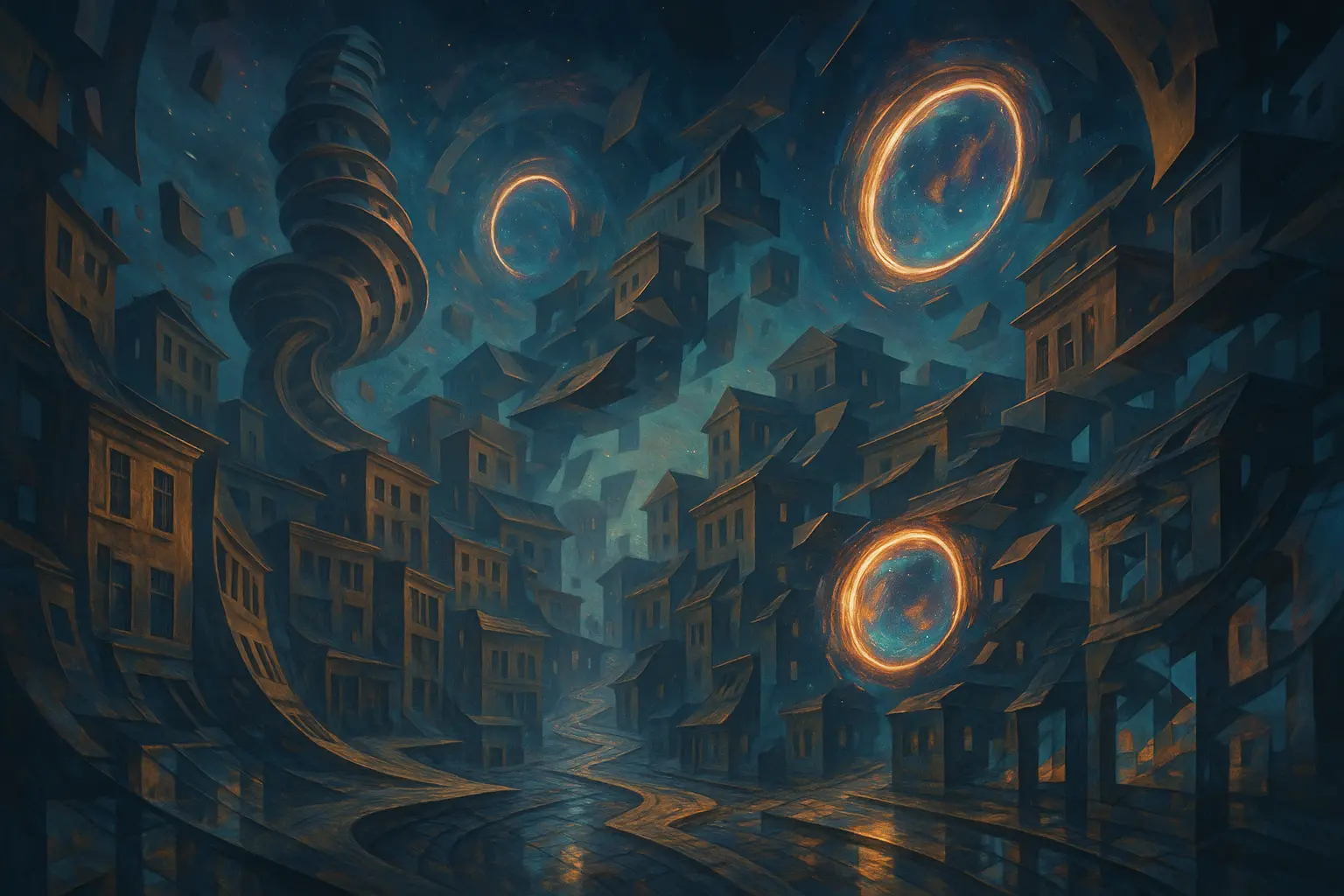
The trigger for everything is small and personal. Far From Home ends with Mysterio publicly revealing that Peter Parker is Spider-Man, and No Way Home opens with the fallout: Peter’s entire life, and the lives of everyone close to him, wrecked by that single fact being public. Desperate, Peter goes to Doctor Strange and asks for a spell to make the world forget his secret identity — a clean, targeted fix for one specific problem.
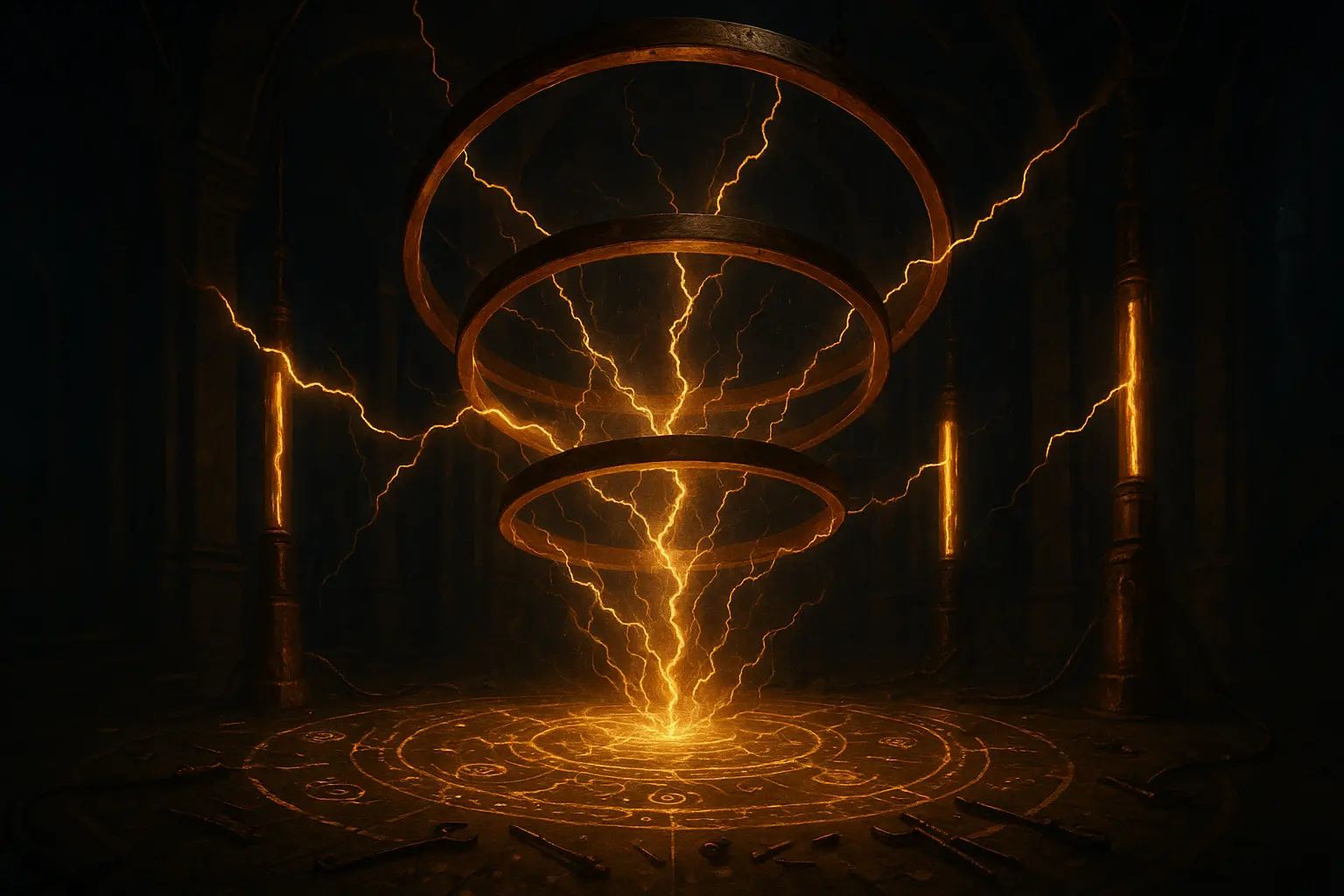
It should have worked exactly like that. What breaks it is Peter himself: mid-incantation, he keeps interrupting Strange with exceptions — let MJ still know, let Ned still know, let Aunt May still know — forcing Strange to keep re-shaping an already-delicate spell in real time. A spell built to erase one fact cleanly does not tolerate being re-written five times while it is being cast. It destabilizes, and instead of quietly erasing a secret, it tears a hole between every universe where someone knows that exact secret.
🎭 Every Villain Who Crossed Over — and the One Rule That Explains All Five
The pulled-in villains are not random legacy cameos. Each one satisfies the spell’s actual trigger: someone, in their own universe, who personally learned that Peter Parker is Spider-Man.
- Green Goblin (Norman Osborn) — learned Peter’s identity directly in the Sam Raimi trilogy.
- Doctor Octopus (Otto Octavius) — confronted Peter as Spider-Man and, in his own film’s climax, learned exactly who was under the mask.
- Sandman (Flint Marko) — the same Raimi-universe knowledge, carried over.
- Electro (Max Dillon) and the Lizard (Curt Connors) — both from the Andrew Garfield-era Amazing Spider-Man films, each with their own moment of learning Peter’s real name.
That is also why the film does not pull in villains who never learned the secret, or heroic side characters, or anyone from a universe with no version of this Peter Parker at all. The rule is narrow on purpose: it is not “everyone from every Spider-Man movie,” it is “everyone, anywhere, who has this one specific piece of knowledge.” Once you see the rule, the guest list stops looking arbitrary and starts looking exact.
AdDoctor Strange in the Multiverse of Madness (4K Ultra HD) (opens in a new tab)
Picks up the direct aftermath of No Way Home's spell and pushes the multiverse into full horror territory.

⏳ The Multiverse Already Existed — Loki Built the Door First
Here is the part the film itself never mentions, because it does not need to for its own story to work: the MCU multiverse was not invented by this spell. Loki, released roughly six months before No Way Home in the summer of 2021, is what actually introduces the concept — the Sacred Timeline, the Time Variance Authority policing it, and the idea that reality branches the moment anything deviates from the “one true” path. By the end of Loki’s first season, the TVA’s control collapses and the multiverse is officially, canonically loose.
No Way Home’s multiverse event runs on a completely different mechanism — this is magic breaking under pressure, not TVA variants branching a timeline — but the two are telling the MCU’s audience the same underlying thing at almost the same moment: the multiverse is real now, and it is not going back in the box. Watching them in either order works, but knowing Loki exists explains why Doctor Strange treats “the multiverse” as an established, dangerous concept rather than a brand-new discovery when Peter shows up asking for a memory spell.
🌀 Doctor Strange in the Multiverse of Madness Picks Up the Wreckage
Doctor Strange in the Multiverse of Madness, released the following May, is the film that treats No Way Home’s spell as a direct cause rather than a self-contained event. Strange spends the sequel dealing with incursions and instability that the MCU frames as fallout from exactly the kind of multiversal tampering his own spell for Peter represented — reality does not appreciate being torn open, even for a good reason. It is also, tonally, where the MCU multiverse stops being a nostalgia delivery mechanism (three Spider-Men, three villains you remember) and becomes something closer to horror, with Wanda Maximoff hunting variants of herself across realities she should never have been able to reach.
AdLoki: Season 1 (4K Ultra HD) (opens in a new tab)
Where the Sacred Timeline and the multiverse were introduced months before No Way Home cracked it open.
🕸️ Why the Ending Erases Peter Parker Completely
The multiverse crisis resolves the same way it started: with Strange’s magic and Peter’s choices. To close the door for good, Peter asks Strange to finish the job properly this time — no exceptions, no edits. Make the entire world forget Peter Parker ever existed. Not just the secret that he is Spider-Man; Peter Parker, the person, erased from every memory that ever held him, including MJ’s and Ned’s.
It works completely. Peter gets to keep being Spider-Man. He loses every relationship that made him who he was going into the film. It is the most complete “reset” the MCU has ever handed a character, and it is not an accident that it happens through the same mechanism — Strange’s spellcraft — that opened the multiverse in the first place. The door that let five villains in is the same door Peter chooses to seal by disappearing from everyone he loves.
That single choice is also the entire premise Brand New Day opens on: a Peter Parker fighting crime in a city that has no memory of him, exactly as advertised by the spell that ended this film.
If tonight is a rewatch before Brand New Day, or the multiverse mechanics were the part that never quite landed the first time, that is the whole engine: one narrow spell, one broken casting, five villains who all shared a single piece of knowledge, and an ending that pays for closing the door with the one thing Peter never wanted to lose. For the full recap of what happens across all three films, our Spider-Man trilogy recap walks through Homecoming and Far From Home too; for everything officially confirmed about the new film itself, see our Brand New Day release, cast and rating breakdown.
Every film in this breakdown is streaming on Prime Video (30-Day Free Trial) — the fastest way to watch or refresh your memory on any of them before tonight.
The Bottom Line
One narrow spell, broken by good intentions, pulls in exactly the villains who share one piece of knowledge — and closes by erasing the one relationship Peter never wanted to lose. That is the whole mechanic, and it is also the exact door Brand New Day walks back through. Watch (or rewatch) in this order for the clearest read: Loki Season 1 for the multiverse groundwork, then No Way Home for the spell itself, then Doctor Strange in the Multiverse of Madness for the fallout.
What is the multiverse in Spider-Man: No Way Home?
Why did villains from other Spider-Man movies appear in No Way Home?
Why does Spider-Man: Brand New Day open with everyone forgetting Peter Parker?
How does No Way Home's multiverse connect to Loki and Doctor Strange 2?
Do I need to watch Loki or Doctor Strange 2 to understand No Way Home's multiverse?
More Spider-Man and multiverse content on Dadnology: Spider-Man Trilogy Recap · MCU Canon Explained: Netflix, Multiverse & What’s Official · Spider-Man hub
Keep this in your inbox
One email a week: what we actually watched, built and reviewed — the stuff worth a dad's time. No hype, no daily spam.
Dadnology Weekly
One email a week: the LEGO, gaming and movie news worth a dad's time — plus what we actually reviewed. No hype, no daily spam.
Disclaimer: This review and its visuals were created with the help of AI. Some links may be affiliate links – we may earn a commission if you make a purchase, at no extra cost to you.