
Chapterhouse: Dune - Frank Herbert's final novel
Frank Herbert's sixth and final Dune novel: a tense Bene Gesserit last stand that ends on an eternal cliffhanger. A strong but unresolved farewell.
This post contains affiliate links. We may earn a commission if you make a purchase, at no extra cost to you. As an Amazon Associate, Dadnology earns from qualifying purchases.
Introduction
Every long saga has to end somewhere, but few end the way Chapterhouse: Dune does, mid-stride, on a deliberate cliffhanger, by an author who fully intended to keep going and then died before he could. Frank Herbert’s sixth and final Dune novel is a strong, tense, intimate book, and it carries an unavoidable melancholy that has nothing to do with its plot and everything to do with the fact that it is the last word he ever wrote in this universe.
Picking up directly from Heretics of Dune, the story finds the Bene Gesserit in desperate retreat. The violent Honored Matres have overrun much of the old empire, and the sisterhood has pulled back to their secret headquarters planet, Chapterhouse, where they are attempting something audacious: turning their own world into a new Dune, a new desert that can birth the sandworms and the spice they need to survive. It is a story of a small group under siege, plotting survival against an overwhelming enemy, and that tight focus gives it a real urgency.
It is a fitting, frustrating, bittersweet conclusion, an excellent book with no ending, by an author at the height of his powers who simply ran out of time.
Plot & characters
The narrative is more contained than the galaxy-spanning earlier books, and it benefits from the focus. The aging Reverend Mother Superior Odrade leads the sisterhood’s survival effort, raising the captured Honored Matre Murbella as a possible bridge between the two orders, while protecting the latest incarnations of familiar figures and gambling everything on the Chapterhouse desert project. The threat of the Honored Matres looms over every page, and the question of how, or whether, the Bene Gesserit can survive drives a genuinely tense plot.
Odrade is the standout, a warm, wry, humane protagonist who anchors the book emotionally. The relationships among the sisters, the political maneuvering, the slow building of trust and betrayal, are some of Herbert’s most engaging character work in the late saga. The book is, in a sense, the culmination of the sisterhood’s long journey from background manipulators to full protagonists.
The antagonists remain the weakest element, as in Heretics. The Honored Matres are menacing but thinly drawn, and Herbert was clearly saving the deeper revelations about the threat behind them, the mysterious enemy that drove them out of the Scattering, for the book he never wrote. That withheld payoff is part of what makes the ending so frustrating.
Style, tone & atmosphere
Herbert’s prose in his final novel is confident and economical, with the philosophical digressions woven more smoothly into the narrative than in God Emperor. There is a valedictory quality to the writing, a sense of an author reflecting on themes, ecology, religion, survival, power, that he had spent two decades exploring. The famous coda, a poignant author’s note, only deepens that elegiac feeling.
The atmosphere is one of siege and quiet desperation, but also of rebirth, the slow transformation of Chapterhouse into a desert is a hopeful counterpoint to the existential threat. The image of the saga returning, one last time, to the making of a new Dune is a beautiful piece of thematic symmetry.
The unavoidable problem is the ending. Chapterhouse concludes on a cliffhanger of genuine consequence, with major mysteries unresolved and the story poised for a seventh act that never came. As a piece of craft, the book is excellent. As a conclusion to a six-book saga, it simply is not one, and you must make peace with that before you start.
The dad perspective: Reading experience & recommendation
There is something quietly moving about reading an artist’s final work knowing it is unfinished, and that frames the whole experience of Chapterhouse: Dune. For a dad who has invested weeks of evenings across six novels, reaching this last book carries real weight, and the bittersweet ending lands harder for the journey it caps.
In practical terms, this is one of the more readable late books, with a tighter focus and a strong central character that make it easy to stay engaged in short sessions. Odrade is genuinely good company, and the siege plot keeps the pages turning. The audiobook is a fine option here too, especially for the more reflective passages.
My honest advice is to manage your expectations about the ending. If you go in expecting closure, you will be frustrated. If you go in understanding that this is the last chapter of an unfinished symphony, you can appreciate it for what it is: a strong, humane, thematically rich farewell from one of science fiction’s great minds. That is why it earns a 3.5 rather than anything higher, the quality is there, but the saga it caps was never allowed to truly end.
Who is this for? The reader who has come all the way through and wants Herbert’s final word, with eyes open about the cliffhanger. It is a rewarding read, just not a resolving one.
Pros
- A tense, focused siege story with real urgency
- Odrade is a warm, humane, standout protagonist
- The culmination of the Bene Gesserit's long arc across the saga
- Elegiac, confident late-career prose with beautiful thematic symmetry
Cons
- Ends on a major cliffhanger Herbert died before resolving, the saga is unfinished
- The Honored Matres remain a thinly drawn antagonist
- Requires having read Heretics of Dune and offers no closure on its own
Conclusion
Chapterhouse: Dune is an excellent book with no ending, a tense, humane, beautifully written farewell that the author never got to complete. It is a strong note to go out on, undercut only by the permanent cliffhanger that history, not Herbert, imposed on it.
Recommendation: Read it if you have made it this far and want Herbert’s final word. Go in expecting a journey, not a destination, and you will find a worthy, bittersweet close to one of the genre’s great sagas.
🎧 Rather listen than read? Audiobooks are how busy dads actually finish books — start a free 30-day Audible trial and turn your commute into reading time.
Back to the beginning: Dune.
Related Dadnology reviews: Dune: Awakening Hits Consoles - Arrakis for PS5 & Xbox · Dune: Part Three Trailer Drops, Sets December Date
FAQ
Does Chapterhouse: Dune finish the story?
Should I read Chapterhouse: Dune?
Did Frank Herbert finish the Dune saga?
How long is Chapterhouse: Dune?
Keep this in your inbox
One email a week: what we actually watched, built and reviewed — the stuff worth a dad's time. No hype, no daily spam.
Dadnology Weekly
One email a week: the LEGO, gaming and movie news worth a dad's time — plus what we actually reviewed. No hype, no daily spam.
Disclaimer: This review and its visuals were created with the help of AI. Some links may be affiliate links – we may earn a commission if you make a purchase, at no extra cost to you.
Current deals in Books & media
Verified live discounts tracked on Amazon
Books & media · Tested by Dadnology
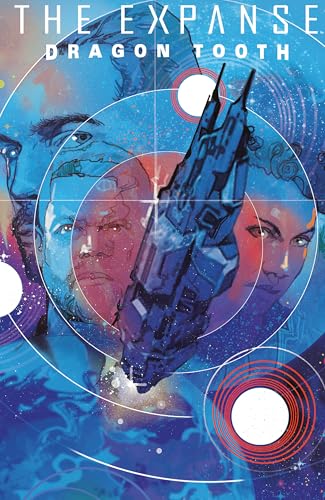
The Expanse: Dragon Tooth (Graphic Novel)
4.5/5“Bridging the void”Read our review
Books & media · Tested by Dadnology
The Art of The Legend of Vox Machina (Hardcover)
5/5“D&D-virginity meets fantasy chaos — and it's perfect.”Read our review
Books & media · Tested by Dadnology
The Hobbit Illustrated by the Author (Special Edition, Sprayed Edges)
5/5“A perfect page-Turner you'll want to read aloud”Read our reviewYou might also like
Children of Dune by Frank Herbert - The twins inherit
Children of Dune closes the original trilogy with ambition and weirdness to spare, as Paul's twins inherit a changing Arrakis. Denser than book one, but a strong and rewarding read. An 8.
Dune Messiah by Frank Herbert - The dark sequel
Dune Messiah is a deliberate, bracing deconstruction of everything the first book built, a short tragedy about the cost of being a messiah. Less thrilling than Dune, but vital. A strong 4.
Dune: Part Three trailer drops, sets December date
The full Dune: Part Three trailer just dropped, and Villeneuve's finale to the trilogy is locked for a December 18, 2026 IMAX release.